Understanding Website Design Timelines
When businesses in Auckland decide to invest in a new website, one of the most common questions they ask is: how long does website design take? The answer is more nuanced than a simple timeframe, as the duration depends on numerous factors including project scope, complexity, and the specific requirements of your business. Understanding the realistic timeline for custom website design and custom web development helps businesses plan their digital transformation effectively. For organisations seeking Website Design Auckland services, grasping what influences project duration is essential for setting appropriate expectations and ensuring successful outcomes. The timeline for professional web design can range from several weeks for straightforward projects to several months for complex, feature-rich solutions. This article explores the various factors that influence how long website design takes and provides realistic expectations for businesses planning their digital presence.
“Quality website design takes time, but the investment in a well-planned timeline ensures superior results that drive business success.” – Web Development Professional
Factors That Influence Website Design Duration
The time required to complete website design services varies significantly based on multiple interconnected factors. Understanding these variables helps businesses develop realistic project schedules and allocate appropriate resources. Project complexity, team size, client responsiveness, and the level of customisation required all play crucial roles in determining the overall timeline. Additionally, the specific features and functionality needed—such as SEO optimization, responsive design, and seamless integrations—can substantially extend development time. Businesses must also consider whether they are opting for bespoke website design or template-based solutions, as custom web development typically requires more time than off-the-shelf alternatives.
The Role of Project Scope and Complexity
Project scope is perhaps the most significant determinant of timeline. A simple business website design with basic pages and standard functionality might take 4-6 weeks, whilst a complex custom website design with advanced features could require 3-6 months or longer. The scope encompasses everything from the number of pages and features to the level of custom features and seamless integrations required. Projects requiring extensive technical SEO, Core Web Vitals optimisation, and performance optimization naturally demand more development time. Understanding your specific requirements upfront allows website design services providers to give accurate timeline estimates and ensure your project stays on track.
The Website Design Process Timeline
Breaking down the custom web development process into distinct phases helps illustrate where time is spent and why certain projects take longer than others. Each phase of the professional web design journey contributes to the final product’s quality and effectiveness.
Discovery and Planning Phase
The discovery and planning phase typically takes 1-3 weeks and is foundational to project success. During this phase, website design services teams work closely with clients to understand business objectives, target audiences, and specific requirements. This phase involves detailed discussions about brand storytelling, unique brand identity, and how How Website Design Impacts Conversions for their specific business. Comprehensive planning ensures that the subsequent design and development phases proceed smoothly without costly revisions. Teams create wireframes, develop user journey maps, and establish brand consistency guidelines. Rushing this phase often leads to misunderstandings and delays later, making thorough planning a worthwhile investment of time.
Design and Prototyping Phase
The design phase typically spans 2-4 weeks for standard projects and longer for complex designs. During this period, designers create visual mockups, develop the user interface (UI), and establish the overall aesthetic direction. This phase involves creating multiple design variations, gathering client feedback, and refining concepts. For bespoke website design projects, designers spend considerable time developing a unique brand identity that differentiates the business from competitors. The design phase also involves planning interactive design elements and engagement optimization features that enhance user experience (UX). Approval and revision cycles during this phase can significantly impact overall timeline, making clear communication essential.
Development and Integration Phase
The development phase is typically the longest, often taking 4-12 weeks depending on complexity. During this period, developers transform designs into functional websites using various technologies and frameworks. This phase includes building the website functionality, implementing custom features, and ensuring responsive design across all devices. CMS integration, seamless integrations with third-party tools, and scalable architecture implementation all occur during this phase. Developers also focus on website speed optimisation, ensuring fast loading speed and compliance with Core Web Vitals standards. For projects requiring advanced functionality or complex seamless integrations, this phase can extend significantly.
Testing and Optimisation Phase
Testing and optimisation typically requires 1-3 weeks but can be extended based on findings. This phase involves comprehensive quality assurance, technical SEO implementation, and performance optimization. Teams test mobile-friendly website functionality, verify intuitive navigation, and ensure website usability across different browsers and devices. SEO optimization work during this phase includes optimising meta tags, implementing schema markup, and ensuring search engine friendly design. Performance testing verifies fast loading speed and Core Web Vitals compliance. Any issues discovered during testing may require additional development time, potentially extending the overall timeline.
Timeline Variations by Website Type
Different types of websites have distinctly different timelines based on their complexity, functionality requirements, and customisation levels. Understanding these variations helps businesses set realistic expectations for their specific project.
Custom Website Design Timelines
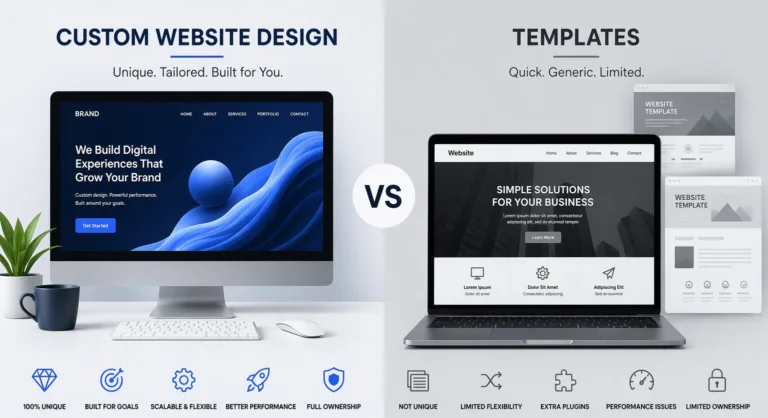
Custom website design projects typically require 8-16 weeks from start to finish, though complex projects can extend to 6 months or longer. Bespoke website design solutions offer complete flexibility in design and functionality, allowing businesses to create truly unique digital experiences. These projects involve extensive collaboration between designers, developers, and clients throughout the process. The advantage of custom website design is that every element can be optimised for your specific business needs.
Key benefits of custom website design include:
- Tailored User-Centric Design: Approaches specifically designed for your target audience and business goals
- Custom Website Functionality: Features aligned with your unique business processes and requirements
- Optimised User Journey Mapping: Strategic planning of how customers interact with your site
- Advanced Seamless Integrations: Connection with existing business systems and third-party tools
- Scalable Architecture: Foundation that grows with your business as needs evolve
- Comprehensive Technical SEO: Built-in optimisation for search engine visibility and performance
- Unique Brand Identity: Design that reflects your specific brand values and competitive positioning
Template-Based Website Timelines
Template-based websites typically require 2-4 weeks for implementation and customisation. These solutions use pre-built frameworks that accelerate development but offer less flexibility. While faster to deploy, template-based sites may not provide the unique brand identity or competitive advantage that custom website design offers. However, they can be effective for businesses with straightforward requirements and limited budgets.
Optimising Your Website Design Timeline
Understanding how to work effectively with website design services providers is essential for building High-Converting Websites and ensuring your project stays on schedule while delivering expected results. Proactive communication, clear requirements definition, and timely feedback all contribute to efficient project execution.
Preparing for Your Project
Preparation before the project begins can significantly reduce overall timeline. Businesses should gather all necessary content, define clear objectives, and establish decision-making processes. Having brand consistency guidelines, existing brand assets, and clear vision for the final product helps designers and developers work more efficiently. When clients are well-prepared and responsive to feedback requests, projects typically progress more smoothly and stay closer to original timelines.
Maintaining Effective Communication
Regular communication between clients and website design services teams prevents misunderstandings and delays. Weekly check-ins, clear feedback mechanisms, and prompt decision-making keep projects moving forward. When clients can quickly approve designs or provide feedback, development phases proceed without unnecessary delays. Conversely, slow response times and unclear requirements often extend timelines significantly. Establishing clear communication protocols upfront helps ensure your Website Design Auckland project progresses efficiently.
Planning for Post-Launch Support
The website design timeline doesn’t end at launch. Ongoing performance optimization, website speed optimisation, and continuous improvement require ongoing attention. Planning for post-launch support ensures your website continues to deliver strong results and remains competitive. Regular updates, security patches, and feature enhancements keep your digital presence fresh and effective. Understanding that website design is an ongoing process rather than a one-time project helps businesses allocate appropriate resources and budget for long-term success.
Realistic Expectations for Auckland Businesses
For businesses in Auckland seeking Website Design Auckland services, understanding realistic timelines helps with planning and resource allocation. A typical professional web design project follows this general timeline:
Simple Business Website: 4-8 weeks
Standard E-Commerce Website: 8-12 weeks
Complex Custom Website: 12-24 weeks
Enterprise-Level Website: 6+ months
These timelines assume consistent client engagement, clear requirements, and no major scope changes. Projects that require extensive custom features, complex seamless integrations, or significant performance optimization may require additional time. Conversely, projects with straightforward requirements and responsive clients may complete faster than estimated.
Investing Time for Quality Results
Understanding how long does website design take is essential for planning your digital transformation. While businesses naturally want their websites completed quickly, rushing the process often results in inferior outcomes that fail to deliver desired results. Custom website design that incorporates user-centric design principles, responsive design, SEO optimization, and performance optimization requires adequate time to ensure quality. By working with experienced website design services providers, maintaining clear communication, and setting realistic expectations, Auckland businesses can ensure their website design project delivers a digital asset that supports long-term business goals. Remember that understanding How Website Design Impacts Conversions and investing time in quality design ultimately provides superior return on investment compared to rushed, lower-quality alternatives. The time invested in proper website design pays dividends through improved customer trust, stronger brand recognition, and enhanced competitive advantage in the digital marketplace.


 Landing Pages