Understanding High-Converting Website Design
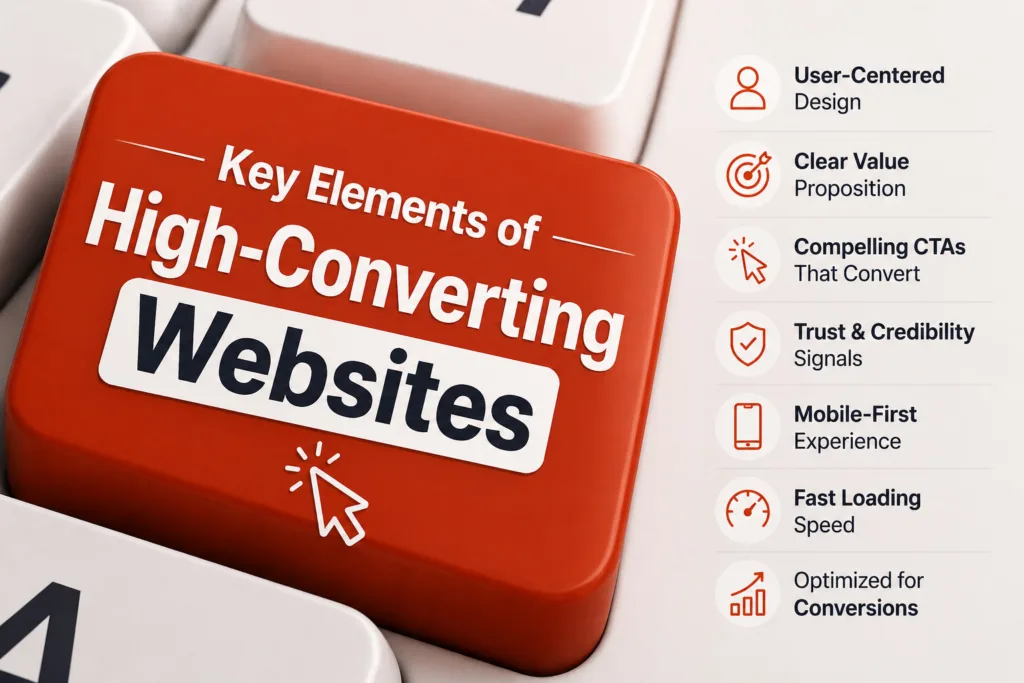
A high converting website design is far more than an aesthetically pleasing digital storefront; it is a strategically engineered platform designed to guide visitors toward taking desired actions. The distinction between a website that merely exists and one that actively generates results lies in the deliberate implementation of proven conversion principles. High-converting website design combines psychology, user experience principles, and technical excellence to create digital environments where visitors naturally progress toward conversion. For businesses in Auckland seeking Website Design Auckland services, understanding these critical elements is essential for making informed decisions about their digital presence. Whether you are considering a new website or redesigning an existing one, knowing how long such projects take—as explored in our guide on How Long Does Website Design Take in Auckland—and understanding what makes websites convert are equally important for success. This comprehensive guide explores the key elements that distinguish high-performing websites from those that underperform.
“A high-converting website is not an accident; it is the result of deliberate design decisions informed by user psychology and data.” – Conversion Optimisation Expert
The Foundation of Conversion Success
The foundation of high converting website design rests on understanding your audience and their needs. Every element, from website navigation to call-to-action (CTA) placement, should serve the ultimate goal of guiding visitors toward conversion. Conversion rate improvements begin with recognising that visitors arrive with specific intentions and potential objections. By addressing these concerns proactively and removing friction from the user journey, you create an environment where conversion becomes the natural next step. User experience (UX) excellence is not a luxury but a necessity for websites seeking to maximise their conversion rate and achieve business objectives.
Why Conversion-Focused Design Matters: High-Converting Websites
Businesses invest significantly in driving traffic to their websites through digital marketing efforts. However, without conversion optimization, much of this traffic is wasted. A website that fails to convert visitors into customers, leads, or subscribers represents a missed opportunity and poor return on investment. High converting website design ensures that traffic investments generate meaningful results. By implementing proven conversion principles, businesses can dramatically improve their conversion rate without necessarily increasing marketing spend. This makes conversion optimization one of the most cost-effective investments a business can make.
Essential Elements of Website Navigation and Structure
Effective website navigation and clear website layout are foundational to high converting website design. When visitors cannot easily find what they are looking for, they leave—often without taking any desired action.
Implementing Clear Navigation Systems
Clear navigation is critical to user experience (UX) and directly impacts conversion rate. Intuitive design principles ensure that visitors can find information without frustration or confusion. Navigation should be logical, consistent, and predictable, allowing visitors to understand where they are and how to reach other areas of the site. Well-designed navigation reduces cognitive load, allowing visitors to focus on evaluating your offerings rather than struggling to find information.
Key components of effective clear navigation systems include:
- Primary Navigation: Main menu items representing key sections and offerings
- Breadcrumb Navigation: Showing visitor location within site hierarchy for orientation
- Footer Navigation: Secondary links and important information for easy access
- Search Functionality: Allowing visitors to find specific content quickly and efficiently
- Internal Linking: Connecting related content throughout the site to guide exploration
- Mobile Navigation: Optimised menu systems for smaller screens and touch interaction
- Consistent Placement: Navigation elements positioned consistently across all pages
- Clear Labels: Descriptive menu items that clearly indicate content or functionality
Establishing Visual Hierarchy and Layout
Visual hierarchy is fundamental to effective high converting website design, guiding visitor attention toward the most important elements. Through strategic use of size, colour, contrast, and positioning, visual hierarchy creates a clear order of importance that helps visitors understand your site’s structure and key messages. A well-designed website layout with strong visual hierarchy makes it easier for visitors to scan content, locate relevant information, and identify calls to action. Readability is enhanced when content is properly structured with clear headings, short paragraphs, and appropriate whitespace. By implementing strong visual hierarchy throughout your landing page design and other key pages, you create a user-centric design that naturally guides visitors toward conversion opportunities.
Crafting Persuasive Content and Messaging
The words on your website are as important as the design itself. Persuasive content that clearly communicates your value proposition is essential for converting visitors into customers.
Developing Compelling Headlines and Copy
Strong headlines capture attention and communicate your core message immediately. Website copy should be clear, concise, and focused on visitor benefits rather than features. Effective website copy addresses visitor concerns, demonstrates value, and creates urgency for action. Persuasive content techniques include using power words, creating emotional connections, and providing specific benefits. The value proposition should be immediately evident to visitors, answering the critical question: “Why should I choose this business?” By crafting strong headlines and compelling website copy, you create the messaging foundation for high converting website design.
Structuring Content for Maximum Impact
Content structure significantly influences both user experience (UX) and conversion rate. Well-structured content is easier to scan, understand, and act upon. Effective content structure includes clear headings, short paragraphs, bullet points, and visual breaks. By organising information logically and presenting it in digestible chunks, you improve readability and keep visitors engaged. Landing page design should follow a clear structure that guides visitors through a logical progression from problem identification through solution presentation to call-to-action. Proper content structure reduces bounce rate and increases the likelihood that visitors will take desired actions.
Building Trust and Social Proof
Trust signals and social proof are critical elements of high converting website design. Visitors are more likely to take action when they perceive your business as trustworthy and credible.
Leveraging Testimonials and Social Proof
Testimonials from satisfied customers provide powerful social proof that influences purchasing decisions. Real customer experiences and results build trust signals that reassure potential customers. Social proof can take many forms including customer testimonials, case studies, user reviews, and success metrics. By prominently displaying testimonials and other social proof elements, you address visitor concerns and build confidence in your offerings. Effective social proof is specific, credible, and relevant to visitor concerns. Including customer names, photos, and results makes testimonials more convincing and impactful.
Establishing Credibility and Trust
Trust signals extend beyond testimonials to include security badges, certifications, professional design, and clear contact information. Visitors need to feel confident that your business is legitimate and will deliver on its promises. Design consistency across your website reinforces professionalism and builds confidence. Clear policies, transparent pricing, and easy contact options all contribute to trust signals that encourage conversion. By systematically building trust signals throughout your website, you create an environment where visitors feel comfortable taking desired actions.
Optimising for Mobile and Performance
In today’s mobile-first world, mobile responsiveness and page speed are non-negotiable elements of high converting website design.
Implementing Mobile-First Design
Mobile-first design recognises that many visitors access websites from smartphones and tablets. Mobile responsiveness ensures that your website functions flawlessly across all devices and screen sizes. A mobile-friendly website provides an excellent user experience (UX) regardless of device, leading to higher conversion rate and lower bounce rate. Mobile-first design approaches prioritise simplicity, clear navigation, and fast loading times. By designing for mobile first and then enhancing for larger screens, you ensure that your website performs well for all visitors.
Ensuring Fast Loading Times
Page speed is critical to both user experience (UX) and search engine rankings. Fast loading time reduces bounce rate and increases the likelihood of conversion. Visitors expect pages to load quickly; slow-loading websites frustrate users and drive them toward competitors. Website performance optimisation includes image compression, code minification, caching strategies, and content delivery networks. By prioritising page speed and website performance, you create a high converting website design that keeps visitors engaged and moving toward conversion.
Designing Effective Calls-to-Action
The call-to-action (CTA) is perhaps the most critical element of conversion optimization. Without a clear, compelling call-to-action, even engaged visitors may leave without taking desired action.
Creating Compelling CTAs
An effective call-to-action (CTA) is clear, compelling, and creates a sense of urgency. Strong headlines and persuasive copy leading to the call-to-action (CTA) prepare visitors to take action. The call-to-action (CTA) button should be visually prominent, use action-oriented language, and clearly communicate the benefit of taking action. Strategic call-to-action (CTA) placement throughout the user journey guides visitors toward conversion at optimal moments. Testing different call-to-action (CTA) variations and monitoring performance helps identify the most effective approaches for your specific audience.
Optimising CTA Placement and Design
Call-to-action (CTA) placement significantly impacts conversion rate. CTAs should appear at natural decision points in the user journey, where visitors have sufficient information to make an informed decision. Multiple call-to-action (CTA) placements throughout the page increase the likelihood that visitors will encounter and act on your primary conversion goal. Call-to-action (CTA) button design—including colour, size, text, and surrounding whitespace—influences click-through rates. By strategically placing and designing call-to-action (CTA) elements, you maximise conversion opportunities.
Measuring and Improving Performance
High converting website design is not static; it requires ongoing measurement, analysis, and optimisation based on user engagement data and conversion rate metrics.
Tracking Key Performance Metrics
Effective conversion optimization begins with establishing clear metrics and tracking them consistently. Key metrics include overall conversion rate, bounce rate, average session duration, and revenue per visitor. By comparing these metrics before and after design changes, you can quantify the impact of your efforts. Website performance analytics reveal how visitors interact with your site, where they encounter friction, and what motivates them to take action. Regular monitoring enables you to identify trends, spot problems early, and capitalise on opportunities for improvement.
Implementing Continuous Improvement
High converting website design requires a commitment to continuous testing and refinement. A/B testing different page layouts, call-to-action (CTA) designs, website copy, and other elements reveals what resonates with your audience. Lead generation pages can be continuously optimised based on performance data. By adopting a data-driven approach to conversion optimization, you create a website that becomes increasingly effective at converting visitors into customers over time. Small improvements in conversion rate can result in significant revenue increases without requiring additional marketing investment.
Conclusion: Building Your High-Converting Website
High converting website design represents the convergence of psychology, design principles, and technical excellence, highlighting how Website Design Impacts Conversions. By implementing the key elements discussed—from clear navigation and intuitive design to compelling website copy and strategic call-to-action (CTA) placement—you create a digital platform that actively works to convert visitors into customers. Whether you are in Auckland exploring Website Design Auckland services or considering how long such projects take as detailed in our guide on How Long Does Website Design Take in Auckland, remember that investing in high converting website design delivers measurable returns. A website designed with conversion optimization principles generates more revenue from existing traffic, improves user experience (UX), and builds design consistency that strengthens your brand. By committing to these principles and continuously measuring and improving performance, you create a website that serves as a powerful business asset, driving sustainable growth and success in the digital m


 Landing Pages