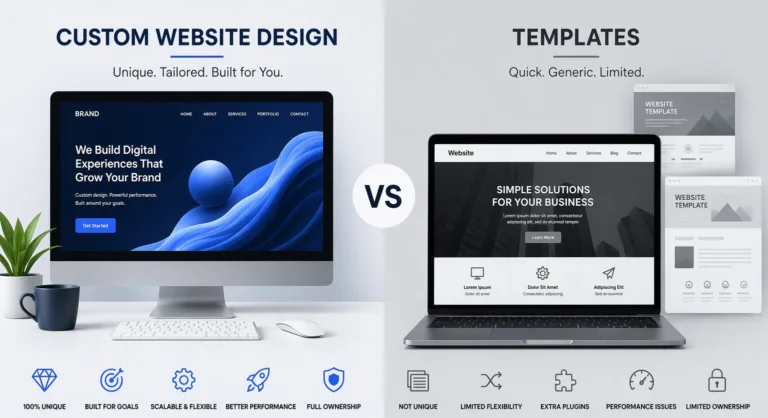
Understanding Website Design and Its Importance
In today’s highly competitive digital landscape, establishing a strong online presence is no longer optional for businesses; it is a fundamental requirement for success. For companies operating in New Zealand’s largest economic hub, investing in professional Website Design Auckland services is a critical step toward achieving long-term business goals. The digital experience a company provides often serves as the first point of contact between a brand and its potential customers. Whether a business is involved in retail, professional services, or specialised sectors, the quality of its website directly influences how the target audience perceives its credibility and value proposition.
“Your website is often the first impression customers have of your business. Make it count.” – Industry Design Expert
What is Website Design?
Website design encompasses the comprehensive process of conceptualising, planning, and building a collection of electronic files that determine the layout, colours, text styles, structure, graphics, images, and use of interactive features that deliver pages to site visitors. It is a multidisciplinary field that goes beyond mere aesthetics. Effective web design integrates visual design principles with technical functionality to create a seamless user experience. It involves careful website planning to ensure that the site’s architecture aligns with the overarching business goals and meets the specific needs of the target audience. A well-executed website design strategy considers every element, from the initial wireframes to the final deployment, ensuring that the digital platform is both visually appealing and highly functional.
Why Website Design Matters for Auckland Businesses
For Auckland businesses, the local market is dynamic and diverse, requiring a tailored approach to digital marketing. A professional website acts as a 24/7 digital storefront, providing crucial information to website visitors at any time of day. High-quality Website Design Auckland services are essential for building brand credibility and fostering trust building among potential clients. When users encounter a modern website design that is easy to navigate and visually engaging, they are more likely to stay longer, explore the offerings, and ultimately convert into paying customers. This is why investing in Website Design Auckland is not just about aesthetics but about creating a seamless user experience that drives real business results. Furthermore, a well-designed website enhances online visibility, making it easier for businesses to attract organic website traffic through search engines. With expert Website Design Auckland, businesses can position themselves ahead of competitors and capture more qualified leads. In an era where consumers heavily rely on the internet to make purchasing decisions, a subpar website can lead to lost opportunities and diminished sales conversion rates.
The Fundamentals of Website Design
To create a digital platform that truly resonates with users and drives business growth, it is essential to understand the core components that make up a successful website. These fundamentals serve as the building blocks for any effective online presence, ensuring that the site is not only attractive but also intuitive and easy to use.
Website Structure and Planning
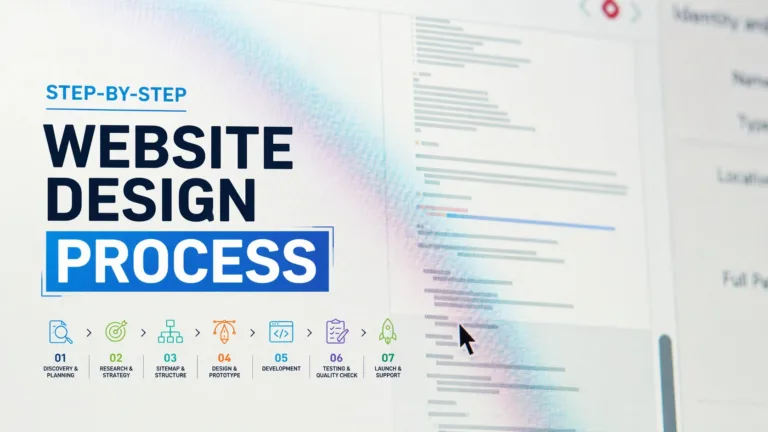
The foundation of any successful digital project lies in meticulous website planning and a logical website structure. Before any visual elements are created, designers and developers must map out the site’s architecture to ensure that information is organised in a way that makes sense to the user. A clear and intuitive structure allows website visitors to find the information they need quickly and effortlessly, reducing frustration and bounce rates. This planning phase involves defining the site’s hierarchy, creating a comprehensive sitemap, and determining the user journey from the landing page to the final conversion point. For businesses with complex operational requirements, a well-organised structure is particularly crucial for presenting intricate information in a digestible and accessible format.
Key elements of effective website structure and planning include:
- Information Architecture: Organising content logically to enhance user navigation and reduce cognitive load
- User Journey Mapping: Identifying critical touchpoints and decision-making moments throughout the customer experience
- Sitemap Development: Creating a comprehensive blueprint that outlines all pages and their hierarchical relationships
- Navigation Design: Implementing intuitive menu systems that guide users seamlessly through the website
- Conversion Path Optimisation: Strategically placing calls-to-action to guide visitors toward desired business outcomes
- Mobile-First Approach: Ensuring the structure works flawlessly across all devices, prioritising mobile users
Website Layout and Visual Design
Once the structure is established, the focus shifts to the website layout and visual design. The layout dictates how content is arranged on each page, guiding the user’s eye toward key information and calls to action. Effective visual design utilises colour theory, typography, and imagery to create a cohesive and engaging aesthetic that reflects the brand’s identity. A professional website must strike a balance between creativity and usability, ensuring that the design elements enhance rather than detract from the user experience. Modern website design trends emphasise clean, uncluttered layouts with ample white space, allowing the content to breathe and making it easier for users to absorb the information presented. By prioritising both form and function, businesses can create a digital environment that captivates their target audience and encourages deeper customer engagement.
Modern Website Design Principles
As technology evolves and consumer expectations shift, adhering to modern website design principles is essential for maintaining a competitive edge. These principles ensure that a website is not only visually appealing but also highly functional across a variety of devices and platforms.
Responsive Design and Mobile Responsiveness
One of the most critical aspects of contemporary web development is responsive design. With the increasing reliance on smartphones and tablets for internet access, mobile responsiveness is no longer a luxury; it is a necessity. A responsive website automatically adjusts its layout and content to fit the screen size of the device being used, providing an optimal viewing experience for all users. This adaptability is crucial for retaining website visitors who access the site on the go. For Auckland businesses, ensuring that their digital platform is fully optimised for mobile devices is a key factor in maximising online visibility and capturing a broader segment of the target audience.
Cross-Device Compatibility
In addition to mobile responsiveness, cross-device compatibility is a fundamental requirement for a professional website. Users expect a seamless digital experience whether they are browsing on a desktop computer, a laptop, a tablet, or a smartphone. A website that functions flawlessly across all devices and browsers demonstrates a commitment to quality and user satisfaction. This consistency in performance and appearance is vital for trust building and establishing brand credibility. When a website is incompatible with certain devices or browsers, it can lead to a frustrating user experience, resulting in high bounce rates and lost opportunities for sales conversion.
Website Performance and User Experience
The success of a digital platform is heavily dependent on its performance and the overall user experience it provides. A visually stunning website is of little value if it is slow to load or difficult to navigate. Prioritising website performance is essential for keeping users engaged and encouraging them to take desired actions.
Fast Loading Speed and Optimisation
In today’s fast-paced digital world, users have little patience for slow-loading websites. Fast loading speed is a critical component of website performance and a key factor in search engine optimisation. Search engines like Google prioritise websites that load quickly, rewarding them with higher rankings in search results. For businesses operating in competitive markets, a delay of even a few seconds can result in a significant loss of website traffic and potential clients. Optimising images, minimising code, and leveraging browser caching are just a few of the techniques used to improve loading times and ensure a smooth and efficient digital experience for all users.
Creating a Professional Website
A professional website is more than just an online brochure; it is a powerful tool for digital marketing and business growth. It serves as the central hub for all online activities, from lead capture to customer engagement. A well-designed website instils confidence in potential customers, demonstrating that the business is legitimate, reliable, and committed to providing high-quality products or services. By investing in professional Website Design Auckland, companies can create a digital platform that not only attracts visitors but also converts them into loyal customers. This investment in quality design and functionality is a crucial step toward achieving long-term success in the digital marketplace.
Building Your Online Presence
Establishing a strong online presence is a multifaceted endeavour that requires a strategic approach to web design and digital marketing. A well-crafted website is the cornerstone of this presence, providing a platform for businesses to showcase their expertise, share valuable content, and connect with their target audience. By consistently delivering a high-quality digital experience, companies can build brand awareness, foster customer loyalty, and position themselves as industry leaders. Whether through informative blog posts, engaging multimedia content, or interactive features, a professional website offers endless opportunities for businesses to connect with their audience and drive meaningful engagement.
“The best website is one that converts visitors into customers and customers into advocates.” – Digital Strategy Leader
Driving Business Growth Through Website Design
Ultimately, the primary goal of any website is to drive business growth. A strategically designed website is a powerful engine for lead capture and sales conversion. By incorporating clear calls to action, intuitive navigation, and compelling content, businesses can guide website visitors through the sales funnel and encourage them to take the desired action. Whether the objective is to generate leads, increase online sales, or promote a specific service offering, a well-designed website is an indispensable tool for achieving these business goals. By continuously monitoring website performance, analysing user behaviour, and making data-driven improvements, companies can ensure that their digital platform remains a valuable asset in their overall growth strategy.




 Landing Pages