Understanding eCommerce Website Design Platforms in New Zealand
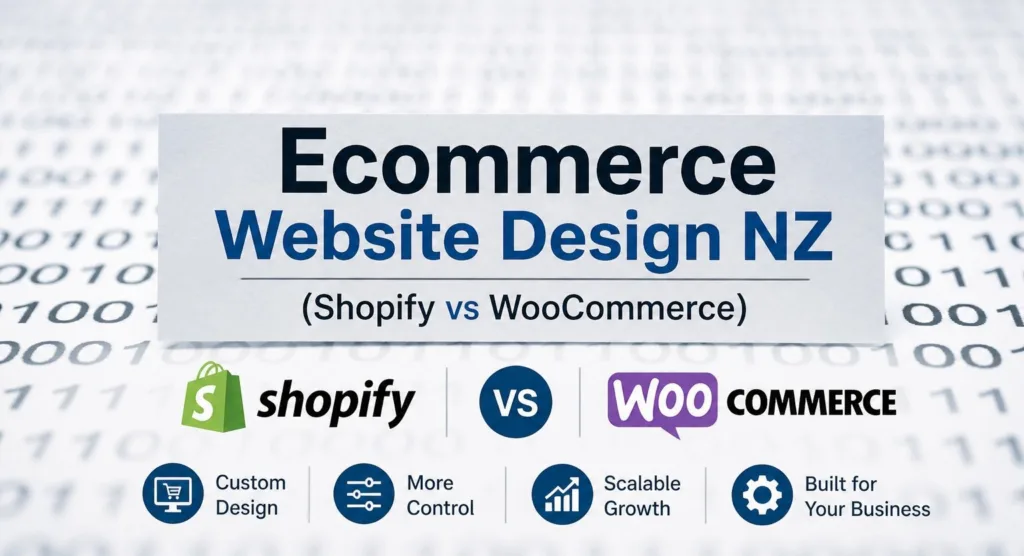
Ecommerce website design NZ requires careful consideration of the right online store platform for your business needs. New Zealand businesses face a critical decision when establishing their online presence: should they choose Shopify or WooCommerce? Both platforms offer robust solutions for ecommerce website design NZ, but they differ significantly in approach, flexibility, and cost structure. Understanding the differences between these platforms is essential for making an informed decision that aligns with your business objectives, budget, and technical requirements. Whether you are considering Website Design Auckland services or exploring Website Design for small business solutions, choosing the right ecommerce platform is foundational to your digital success. The website design process for eCommerce websites differs from traditional websites, requiring specific features and functionality. This comprehensive guide compares Shopify and WooCommerce, helping you understand which online store platform best suits your needs.
“Choosing the right eCommerce platform is not just about features; it is about finding a solution that aligns with your business goals, budget, and technical capabilities.” – eCommerce Strategy Expert
Why Platform Choice Matters for eCommerce Success
The ecommerce platform you select fundamentally impacts your ability to build, manage, and scale your online store. Your choice influences store control, platform flexibility, customisation options, and long-term costs. Different platforms offer varying degrees of full control over website design and functionality, which is especially important for ecommerce website design NZ businesses aiming for growth. Some platforms prioritise simplicity and ease of use, whilst others provide extensive developer flexibility for custom development, making ecommerce website design NZ strategies more adaptable. Platform pricing structures vary dramatically, with some charging monthly subscription fees, transaction fees, and additional costs for features. Understanding these differences helps you evaluate the true cost of ownership and make decisions aligned with your budget and business requirements, ultimately strengthening your ecommerce website design NZ approach for long-term success.
Shopify vs WooCommerce: A Comprehensive Overview
Shopify is a fully hosted ecommerce platform that handles hosting, security, and updates automatically. WooCommerce is an open-source plugin for WordPress that requires you to manage hosting and technical aspects yourself. Both platforms power successful online stores, but they serve different business needs and technical skill levels. Shopify emphasises simplicity and ease of use, whilst WooCommerce offers greater platform flexibility and customisation options for those with technical expertise. Understanding the strengths and limitations of each platform helps you make the right choice for your business.
Shopify: Simplicity and All-in-One Solution
Shopify represents a fully managed ecommerce platform designed for businesses seeking simplicity and rapid deployment.
Shopify’s Ease of Use and Setup
Shopify excels at providing an intuitive website builder that requires minimal technical knowledge. The setup process is straightforward, allowing businesses to launch their online store platform within hours rather than days or weeks. Shopify handles all hosting, security updates, and technical maintenance automatically, eliminating the need for technical expertise. This all-in-one solution approach makes Shopify ideal for Website Design for small business owners who lack technical resources. The web design process with Shopify is streamlined, with pre-built themes and templates that can be quickly customised. Shopify’s emphasis on ease of use makes it an excellent choice for businesses prioritising rapid deployment and simplicity over extensive customisation.
Shopify’s Pricing Structure and Costs
Shopify operates on a transparent platform pricing model with clear monthly subscription fees. Plans start at NZD $29 per month for basic stores and scale to higher-tier plans with additional features. Beyond the monthly subscription, Shopify charges transaction fees on each sale, typically ranging from 2.0% to 2.9% depending on your payment processor. Additional costs include plugin costs for third-party apps, premium themes, and custom development. Whilst Shopify’s pricing is transparent, the cumulative costs can become substantial as your store grows. Understanding the full cost structure, including potential hidden costs, is essential for accurate budgeting.
Shopify’s Limitations and Platform Constraints
Despite its strengths, Shopify has limitations that may impact businesses requiring extensive customisation. Store control is limited by Shopify’s platform architecture; you cannot access the underlying code or backend access to make fundamental changes. Theme customisation is restricted to Shopify’s design system, limiting your ability to create truly unique designs. Platform limitations mean you cannot implement custom features without using Shopify’s app integrations or hiring Shopify developers. Data ownership remains with Shopify, and migrating to another platform can be complex and costly. For businesses requiring extensive custom features or code-level control, Shopify’s limitations may prove restrictive.
WooCommerce: Flexibility and Full Control
WooCommerce offers an open-source alternative that provides extensive platform flexibility and full control over website design and functionality.
WooCommerce’s Customisation and Developer Flexibility
WooCommerce’s primary strength is its open-source flexibility and developer flexibility. As an open-source platform, WooCommerce provides backend access and code-level control, allowing developers to modify virtually any aspect of the platform. Theme customisation is unlimited, enabling creation of truly unique designs tailored to your brand. The plugin ecosystem is extensive, with thousands of plugins available to extend functionality. Custom development is straightforward, allowing developers to build advanced functionality specific to your business needs. For businesses requiring extensive customisation or those with technical teams, WooCommerce offers unparalleled flexibility.
WooCommerce’s Cost Structure and Budget Scalability
WooCommerce’s platform pricing is fundamentally different from Shopify. The WooCommerce plugin itself is free, but you must manage several costs: hosting costs, domain registration, SSL certificates, and potentially development costs for customisation. Budget scalability with WooCommerce is more flexible; you only pay for hosting and features you actually use. There are no transaction fees charged by WooCommerce itself, though your payment processor may charge fees. Plugin costs vary depending on which premium plugins you select. For businesses with technical expertise or access to developers, WooCommerce can offer better budget scalability and lower long-term costs than Shopify.
WooCommerce’s Technical Requirements and Challenges
WooCommerce requires more technical knowledge than Shopify. You must manage hosting control, security updates, backups, and technical maintenance yourself. This responsibility can be overwhelming for non-technical business owners. Platform limitations are fewer than Shopify, but the trade-off is increased complexity and technical burden. Data ownership is complete with WooCommerce; you own all your data and can migrate to other platforms if desired. However, this freedom comes with responsibility for managing your technical infrastructure.
Comparing Key Features and Functionality
Both platforms offer robust eCommerce features, but they differ in implementation and flexibility.
Store Design and Customisation Capabilities
Shopify provides pre-built themes and a visual website builder that enables non-technical users to create professional stores. Theme customisation is possible but limited to Shopify’s design system. WooCommerce offers unlimited theme customisation through code modification or custom theme development. Website design control is greater with WooCommerce, allowing creation of truly unique designs. For businesses prioritising design uniqueness and flexibility, WooCommerce provides superior customisation options. For businesses prioritising ease of use and rapid deployment, Shopify’s streamlined approach is advantageous.
Integration and Extensibility Options
Shopify’s app integrations are curated and vetted, ensuring quality but limiting options. Third-party tools integration requires using Shopify’s approved apps or hiring developers for custom integrations. WooCommerce’s plugin ecosystem is vast and open, offering thousands of options for extending functionality. Custom features can be implemented through plugins or custom development. Advanced functionality is more easily achievable with WooCommerce’s open architecture. For businesses requiring extensive integrations or custom functionality, WooCommerce’s flexibility is superior.
Scalability and Growth Considerations
Both platforms can scale to support growing businesses, but they scale differently. Shopify’s scalable solutions are built-in; the platform automatically handles increased traffic and transactions. WooCommerce’s scalability depends on your hosting provider and technical infrastructure. As your business grows, WooCommerce may require upgrading hosting or optimising your technical setup. Store ownership and data ownership considerations differ; Shopify retains some control, whilst WooCommerce provides complete ownership. For rapid scaling with minimal technical involvement, Shopify is advantageous. For complete control and flexibility, WooCommerce is superior.
Making Your Decision: Which Platform Is Right for You?
Choosing between Shopify and WooCommerce depends on your specific business needs, technical capabilities, and budget.
Shopify Is Best For
Shopify is ideal for businesses prioritising simplicity, rapid deployment, and all-in-one solutions.
Key advantages of choosing Shopify include:
- Ease of Use: Intuitive website builder requiring minimal technical knowledge
- Rapid Deployment: Launch your online store platform within hours
- Managed Hosting: Automatic hosting, security updates, and technical maintenance
- Transparent Pricing: Clear platform pricing with predictable monthly subscription costs
- Small Business Friendly: Ideal for Website Design for small business with limited technical resources
- Support and Community: Extensive documentation and community support available
- Built-in Scalability: Automatic handling of increased traffic and transactions
- Quick Time-to-Market: Perfect for businesses needing rapid online store platform deployment
Website Design Auckland agencies often recommend Shopify for clients seeking quick time-to-market and minimal technical complexity.
WooCommerce Is Best For
WooCommerce is ideal for businesses requiring extensive customisation options, full control over website design, and developer flexibility.
Key advantages of choosing WooCommerce include:
- Full Control: Complete backend access and code-level control over your store
- Customisation: Unlimited theme customisation and custom features implementation
- Open-Source Flexibility: Open-source flexibility allows modification of virtually any aspect
- Developer Friendly: Extensive developer flexibility for custom development and integrations
- Data Ownership: Complete data ownership and store ownership with no platform restrictions
- Budget Scalability: Budget scalability based on actual usage without transaction fees
- Plugin Ecosystem: Thousands of plugins available through the extensive plugin ecosystem
- Advanced Functionality: Ability to implement advanced functionality and third-party tools integrations
The web design process with WooCommerce allows for truly bespoke solutions tailored to specific business needs.
Hybrid Considerations and Migration Options
Some businesses start with Shopify for rapid deployment, then migrate to WooCommerce as
they grow and require greater flexibility.
Key migration considerations include:
- Platform Limitations: Understanding Shopify’s platform limitations before committing long-term
- Growth Planning: Considering your long-term vision and growth trajectory
- Migration Complexity: Both platforms offer migration tools, but the process can be complex
- Data Portability: Evaluating data ownership and ease of data migration
- Cost Analysis: Comparing long-term costs of both platforms as your business scales
- Technical Requirements: Planning for increased technical complexity with WooCommerce
- Timing: Migrating early is easier than migrating after significant store growth
- Support Resources: Ensuring access to developers or agencies experienced in migrations
Careful planning helps ensure a smooth transition if migration becomes necessary.
Conclusion: Choosing Your eCommerce Platform for NZ Success
Ecommerce website design NZ success depends on selecting the right online store platform for your business needs. Shopify offers simplicity, ease of use, and all-in-one solutions ideal for businesses prioritising rapid deployment and minimal technical involvement. WooCommerce provides platform flexibility, customisation options, and full control over website design for businesses with technical expertise or specific customisation requirements. Understanding the differences in platform pricing, customisation options, developer flexibility, and store control helps you make an informed decision. Whether you choose Shopify or WooCommerce, ensure your selection aligns with your business objectives, budget constraints, and technical capabilities. For businesses in Auckland seeking Website Design Auckland services or exploring Website Design for small business solutions, discuss platform options with your web design process partner to ensure you select the best solution for your eCommerce success. The right platform choice sets the foundation for sustainable growth and long-term success in the competitive NZ eCommerce landscape.


 Landing Pages