Understanding the Website Design Process
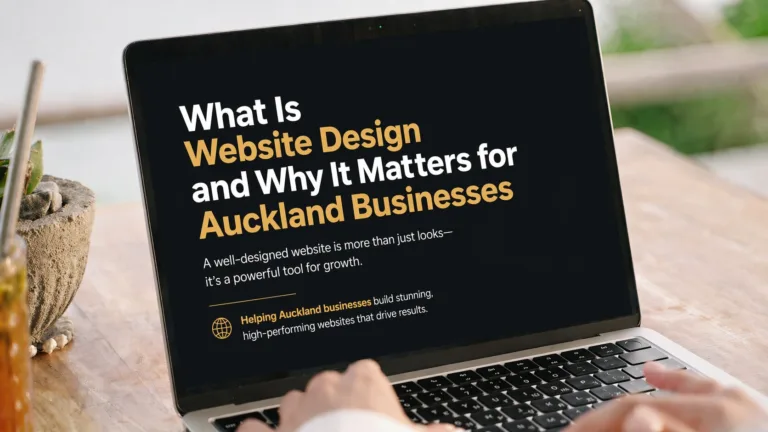
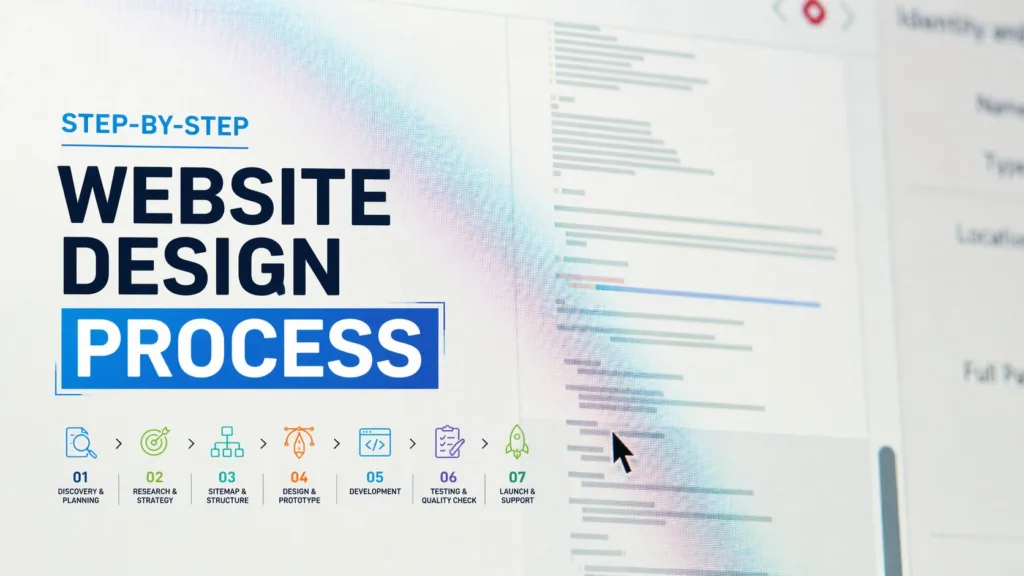
The website design process is a comprehensive journey that transforms a business concept into a fully functional digital platform. Understanding what is website design is crucial for any organisation embarking on this transformative endeavour. At its core, the website design process encompasses multiple interconnected phases, each contributing to the creation of a cohesive digital experience that serves both business objectives and user needs. For businesses in Auckland seeking professional solutions, understanding the nuances of Website Design Auckland services and deciding between custom website design vs templates are critical first steps. The website design process is fundamentally rooted in human-centered design principles, ensuring that every decision prioritises the end-user’s needs and expectations. This methodical approach transforms abstract business goals into tangible digital solutions that drive measurable results.
“Great website design isn’t about making something look good; it’s about creating an experience that solves problems for your customers.” – Digital Experience Expert
Defining Your Business Goals and Vision : Website Design Process
Before any design work begins, organisations must clearly articulate their business objectives and vision for the digital platform. This foundational phase involves identifying what success looks like, understanding the target audience, and establishing key performance indicators. The experience strategy developed during this phase will guide all subsequent decisions throughout the website design process. By establishing clear business goals, teams can ensure that the final product aligns with organisational priorities and delivers measurable value.
Conducting Audience Research and Insights
Understanding your audience is paramount to creating an effective digital platform. Audience insights and customer data collection provide invaluable information about user preferences, behaviours, and pain points. This research phase involves gathering behavioural data through surveys, interviews, and analytics review. By developing a deep understanding of your target market, you can create a customer journey that resonates with their needs and expectations, ultimately leading to improved customer engagement and brand loyalty.
Developing Your Experience Strategy : Website Design Process
Creating a compelling digital experience requires a strategic approach that balances business objectives with user needs. The experience design methodology ensures that every element of the website serves a purpose and contributes to the overall brand experience.
Mapping the Customer Journey
The customer journey is a critical component of the website design process, outlining every touchpoint between the customer and your organisation. This mapping exercise identifies key moments of interaction, potential friction points, and opportunities for engagement. By visualising the complete end-to-end solutions that your website provides, you can design an omnichannel experience that guides users seamlessly from initial awareness through conversion and beyond. This comprehensive approach ensures that your website functions as part of an integrated ecosystem rather than an isolated digital asset.
Creating Your Content Strategy : Website Design Process
A robust content strategy is essential for delivering value to your audience and supporting your business objectives. This involves planning the types of content you’ll create, the messaging framework, and how content will be distributed across your digital platforms. Effective creative production ensures that your content resonates with your audience whilst maintaining consistency with your brand identity. By aligning your content strategy with your experience strategy, you create a cohesive narrative that guides users through their journey and encourages desired actions.
Building and Optimising Your Website
Once the strategic foundation is established, the focus shifts to the technical implementation and optimisation of your website. This phase involves selecting the right technology stack, deciding between custom website design vs templates, and implementing features that enhance user experience.
Selecting the Right Technology and Approach
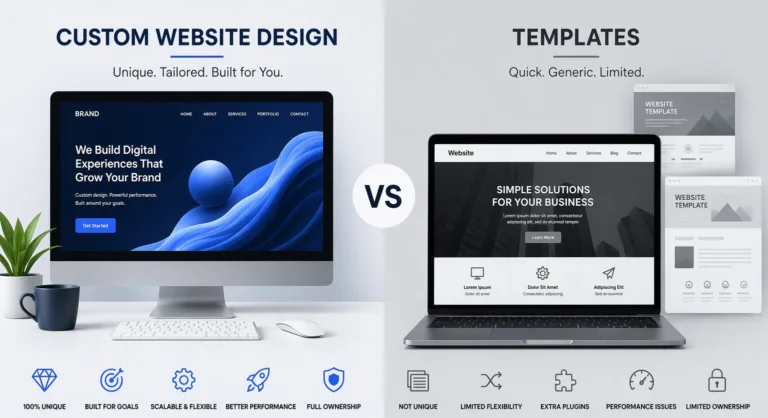
Choosing between custom website design vs templates is a pivotal decision that affects the entire website design process. Custom website design offers unparalleled flexibility and the ability to create truly unique solutions tailored to your specific needs. Alternatively, template-based approaches provide faster deployment and lower initial costs. For businesses in Auckland considering Website Design Auckland services, understanding these trade-offs is essential. The decision should be informed by your business goals, budget constraints, and long-term vision. Scalable solutions that can grow with your business are particularly important for organisations anticipating expansion.
Implementing Conversion Optimisation
Conversion optimisation is a critical component of the website design process, focusing on turning visitors into customers. By leveraging data-driven insights and customer intelligence, you can continuously refine your website to improve performance. Analytics and measurement tools provide visibility into user behaviour, enabling teams to identify opportunities for improvement and validate design decisions through empirical evidence.
Key conversion optimisation strategies include:
- Strategic Call-to-Action Placement: Positioning CTAs prominently to guide users toward desired actions
- Form Optimisation: Streamlining form fields to reduce friction and improve completion rates
- Clear Conversion Pathways: Creating intuitive user journeys that lead naturally to conversion points
- A/B Testing: Systematically testing design variations to identify high-performing elements
- Performance Analytics: Monitoring key metrics to understand user behaviour and identify bottlenecks
- User Experience Refinement: Continuously improving the website based on empirical evidence and user feedback
Leveraging Advanced Technologies
Modern websites increasingly incorporate advanced technologies that enhance functionality and personalisation. Understanding how to integrate these tools effectively is crucial for creating competitive digital experiences.
Implementing AI and Automation
Artificial intelligence (AI) and machine learning technologies are revolutionising the website design process, enabling unprecedented levels of personalisation and automation. Generative AI can assist in content creation, whilst automation streamlines repetitive tasks and improves efficiency. These technologies enable websites to deliver personalised design experiences that adapt to individual user preferences and behaviours. By harnessing customer data and behavioural data, AI-powered websites can provide increasingly relevant and engaging experiences that drive customer engagement and brand loyalty.
Utilising Marketing Technology
Marketing technology (MarTech) platforms provide essential tools for managing campaigns, tracking performance, and optimising results. These systems integrate with your website to enable sophisticated campaign performance tracking and conversion optimisation. By connecting your website to your broader marketing technology ecosystem, you create an integrated platform that supports both user experience and business objectives. This digital transformation of your marketing capabilities enables more effective customer engagement and measurable business growth.
Driving Business Transformation Through Design
The website design process is fundamentally a business transformation initiative that extends far beyond aesthetic improvements. A well-designed website becomes a catalyst for organisational change, enabling new ways of engaging with customers and operating more efficiently.
Creating Integrated Solutions
Modern businesses require integrated solutions that connect various systems and touchpoints into a cohesive whole. Your website serves as the central hub for these end-to-end solutions, orchestrating interactions across multiple channels and platforms. This omnichannel experience ensures consistency and quality regardless of how customers interact with your organisation. By adopting this holistic approach, businesses can deliver superior customer experiences that build brand loyalty and drive sustainable growth.
Measuring Success and Continuous Improvement
The website design process doesn’t end at launch; it continues through ongoing measurement and optimisation. Analytics and measurement frameworks provide the data needed to understand performance and identify improvement opportunities. Data-driven insights enable teams to make informed decisions about design changes, content updates, and feature enhancements. By establishing a culture of continuous improvement grounded in customer intelligence and empirical evidence, organisations can ensure their websites remain competitive and effective over time.
Launching and Evolving Your Website
The final phase of the website design process involves launch preparation, deployment, and post-launch optimisation. This phase ensures that your website performs effectively from day one and continues to deliver value as business needs evolve.
“A website launch is not an ending; it’s the beginning of an ongoing journey of discovery and improvement.” – Web Strategy Professional
By following a comprehensive website design process that prioritises human-centered design, leverages data-driven insights, and embraces digital transformation, organisations can create websites that deliver exceptional digital experiences and drive measurable business results. Whether you’re considering Website Design Auckland services, evaluating custom website design vs templates, or seeking to understand what is website design, this systematic approach ensures that your investment in digital platforms yields sustainable competitive advantages and meaningful customer engagement.


 Landing Pages