 SEO
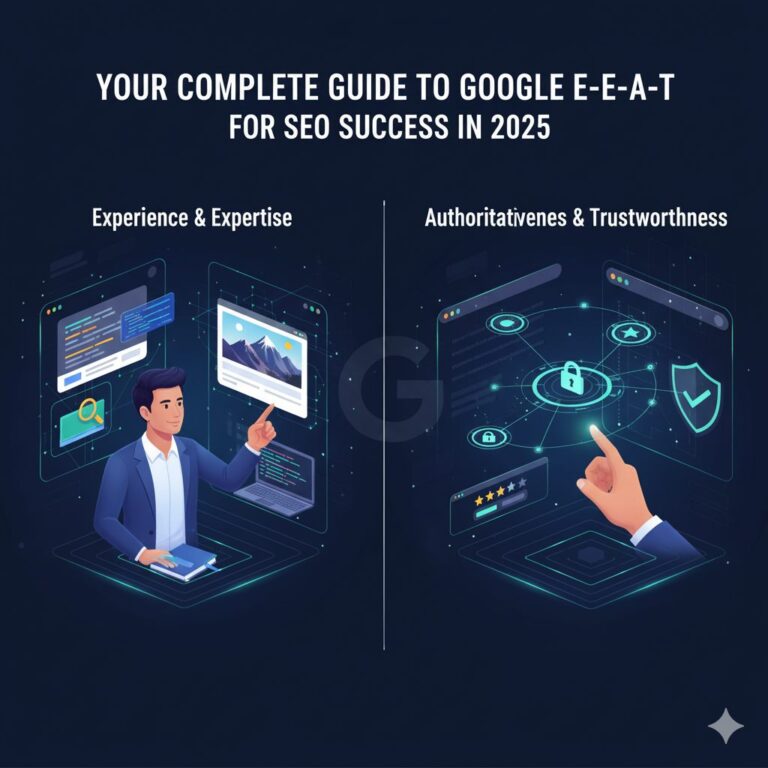
SEOYour Complete Guide to Google E-E-A-T for SEO Success in 2025
Google’s search algorithms are always changing, so anyone who wants to do SEO well needs to know what E-E-A-T means. This new framework adds Experience...
Read More

The search landscape is undergoing a seismic transformation that fundamentally challenges everything we thought we knew about search engine optimisation. As we move into 2026,...


The search landscape is undergoing a seismic transformation that fundamentally challenges everything we thought we knew about search engine optimisation. As we move into 2026, the traditional SEO playbook, built on keywords, rankings, and backlinks—is no longer sufficient. The rise of artificial intelligence, AI-powered search assistants, and zero-click search results has created a new reality that demands a completely reimagined approach. For businesses in New Zealand and globally, understanding and implementing AI-First SEO strategies is no longer optional; it’s essential for maintaining visibility and driving business results in an increasingly AI-dominated search ecosystem.
The evolution of search represents one of the most significant transitions since Google became the dominant search engine. Whilst traditional SEO mechanics—keywords, rankings, and links—remain relevant, they are no longer the only systems that matter. The rise of AI-driven discovery has created a second, parallel layer of search where visibility is determined not by ranking position but by whether intelligent systems understand, trust, and cite your expertise.
Recent research reveals a startling statistic: nearly 60% of today’s searches end without a click to an external website. This phenomenon, driven by AI Overviews and other direct-answer features, represents a fundamental shift in how users interact with search results. When users search for information, Google’s AI systems now provide direct answers on the search results page itself, eliminating the need to visit individual websites. A Pew Research Centre study found that when an AI summary appears on a search results page, users click through to external links only 8% of the time, compared to 15% when no AI summary is present.
This doesn’t mean zero success, however. It means that success is now measured differently. Visibility in zero-click results—through featured snippets, AI Overviews, People Also Ask sections, knowledge panels, and local listings—has become just as valuable as traditional rankings. For AI Local SEO, this shift is particularly pronounced, as local businesses increasingly appear in these direct-answer formats without requiring users to click through to their websites.
The concept of “Answer Engine Optimisation” (AEO) has emerged as the natural evolution of traditional SEO. Whilst SEO optimises for search engine rankings, AEO optimises for AI interpretation and citation. In this new paradigm, being findable means being interpretable—AI systems must be able to parse your content, map it to related concepts, and use it within their generated answers. This requires marketers to think beyond keywords and consider how their knowledge is represented within the reasoning processes of AI systems like ChatGPT, Gemini, and Perplexity.
Implementing a successful AI SEO strategy requires a comprehensive, multi-faceted approach that addresses both traditional search optimisation and the new demands of AI systems.
The foundation of AI-First SEO is structured, easily parseable content. AI systems rely on clear information architecture to extract and understand your content. Begin by implementing comprehensive schema markup throughout your website. Use FAQ schema for frequently asked questions, how-to schema for instructional content, and local business schema for location-specific information. This structured data acts as a roadmap for AI systems, making it significantly easier for them to extract, understand, and cite your content.
Beyond schema markup, focus on creating clear content structures with descriptive headings, concise paragraphs (ideally 40-60 words), and logical hierarchies. Use bullet points and numbered lists where appropriate, as these formats are particularly easy for AI systems to parse and incorporate into generated answers. Include author credentials and expertise signals prominently, as AI systems now assess E-E-A-T (Experience, Expertise, Authoritativeness, Trustworthiness) signals to determine content reliability.
Traditional SEO often rewarded businesses for creating numerous individual articles targeting specific keywords. AI-First SEO demands a different approach: building genuine topical authority through interconnected content clusters. Rather than creating scattered articles, develop comprehensive content ecosystems where multiple pieces of content address different aspects of a central topic, linking to and referencing each other.
This approach signals to AI systems that your domain possesses deep expertise in a particular subject area. When AI models encounter your content, they recognise it as part of a larger knowledge base rather than an isolated article. This topical authority becomes a crucial factor in whether AI systems select your content as a source for their generated answers. For businesses implementing AI Local SEO, this might mean creating comprehensive guides to local services, neighbourhood-specific resources, and community expertise that establish your business as the authoritative source in your area.
Winning in zero-click search requires a deliberate strategy focused on appearing in the direct-answer features that dominate modern search results. Begin by identifying queries where zero-click results currently appear—these are your primary targets. Create content specifically optimised to appear in featured snippets, which often serve as source material for AI Overviews.
To optimise for featured snippets, directly answer common questions in your content. Use clear, concise language that provides complete answers in 40-60 words. Structure your content with question-based headings that match the queries users are searching for. Include tables, lists, and visual elements that make information easy to scan and extract. Update your content regularly with fresh data, as AI systems prioritise current, accurate information when generating answers.
Beyond foundational strategies, several advanced techniques can provide significant competitive advantage in the AI-first search landscape.
Modern AI SEO tools go far beyond traditional keyword research. These tools analyse millions of data points to identify emerging trends, predict what users will search for next, and recommend content topics before demand reaches peak levels. Rather than reacting to search trends, businesses can now proactively create content that anticipates user needs.
AI-powered content optimisation tools analyse your content against hundreds of ranking factors and AI-preference signals, providing specific recommendations for improvement. These tools assess tone, readability, engagement potential, and alignment with user intent. By leveraging these capabilities, you can ensure your content is optimised not just for traditional search rankings but for AI interpretation and citation.
AI systems now enable unprecedented levels of content personalisation. Your website can dynamically adjust content, recommendations, and messaging based on visitor behaviour, location, device type, and search history. This hyper-personalisation increases engagement, time-on-page, and conversion rates—all signals that AI systems use to assess content quality and relevance.
For AI Local SEO, hyper-personalisation is particularly powerful. A local business can customise its website content based on the visitor’s neighbourhood, showing neighbourhood-specific information, testimonials from local customers, and services most relevant to their area. This level of personalisation demonstrates to both users and AI systems that your business deeply understands and serves its local community.
As voice assistants and visual search become increasingly prevalent, optimising for these modalities becomes essential. Voice searches tend to be more conversational and question-based than text searches. Create content that answers natural language questions using conversational language patterns. Implement FAQ sections and conversational content that mirrors how people actually speak.
For visual search, ensure all images on your website include descriptive alt text, captions, and metadata. This makes your visual content discoverable through image search and helps AI systems understand the context and relevance of your images. For local businesses, this might include geo-tagged photos of your location, products, or services that help AI systems associate your business with specific places and contexts.
AI Local SEO represents the intersection of AI-first optimisation and hyperlocal targeting, creating unprecedented opportunities for small businesses to dominate their local markets.
Your Google Business Profile remains critical in the AI Local SEO landscape. Ensure your profile is completely filled out with accurate, comprehensive information. Include detailed business descriptions that mention specific neighbourhoods you serve, your expertise, and what makes your business unique. Upload high-quality, geo-tagged photos that showcase your location and services.
Encourage customers to leave reviews that mention neighbourhood-specific details and landmarks. These reviews serve as signals to AI systems that your business is embedded in and trusted by your local community. Respond to all reviews—both positive and negative—as this ongoing engagement demonstrates to AI systems that your business is active and engaged with its community.
Develop content that addresses the unique characteristics, challenges, and interests of the specific neighbourhoods you serve. Create neighbourhood guides, local event coverage, and community-focused content that establishes your business as a neighbourhood expert. This content should naturally incorporate neighbourhood names, local landmarks, and community references without appearing forced or over-optimised.
For example, a café in Auckland might create content about “The Best Coffee Spots in Ponsonby” or “A Local’s Guide to Karangahape Road,” positioning itself as an authority on its neighbourhood whilst naturally incorporating local keywords and context that AI systems use to understand neighbourhood relevance.
The fundamental shift in AI-First SEO requires a corresponding shift in how businesses measure success and allocate resources. Rather than focusing exclusively on click-through rates and traffic volume, successful businesses must now optimise for being cited by AI systems. This means creating content that AI systems recognise as authoritative, trustworthy, and relevant enough to include in their generated answers.
This shift has profound implications. A business might rank number one for a particular keyword but receive fewer clicks because an AI Overview answers the query directly on the search results page. However, if that business’s content is selected as the source for the AI’s answer, it gains significant brand visibility and authority. Users see the business’s information, expertise, and perspective even without clicking through to the website.
For many businesses, implementing a comprehensive AI-First SEO strategy requires specialised expertise. When evaluating SEO partners, look for agencies that demonstrate deep understanding of AI-first optimisation, not just traditional SEO. The right partner should offer services including AI-focused keyword research, topical authority building, zero-click optimisation, schema markup implementation, and AI tool integration.
For businesses in New Zealand seeking specialised expertise in AI-first local search optimisation, SEO Auckland represents a prime example of agencies adapting to the AI-first landscape, offering strategies specifically designed to help businesses win in both traditional and AI-driven search environments.
Success metrics must evolve alongside your AI SEO strategy. Beyond traditional metrics like rankings and organic traffic, track your visibility in AI-generated answers and zero-click results. Monitor how often your content is cited by AI systems, measure brand visibility in AI search results, and assess how your content performs in featured snippets and other direct-answer formats.
Additionally, measure the downstream effects of AI visibility—brand awareness, direct traffic, repeat visitors, and conversions that result from AI-driven exposure. These metrics provide a more complete picture of how AI-First SEO contributes to business results.
As we move through 2026 and beyond, the AI-first search landscape will continue to evolve. New AI systems will emerge, algorithms will become more sophisticated, and user expectations will shift. Businesses that succeed will be those that embrace continuous learning and adaptation. Stay informed about changes in AI search platforms, monitor how competitors are optimising for AI, and be willing to adjust your strategy as the landscape evolves.
The ultimate SEO plan for 2026 is not about abandoning traditional SEO fundamentals—it’s about expanding your strategy to address the new realities of AI-driven search. By implementing structured content, building topical authority, optimising for zero-click visibility, and leveraging AI tools and techniques, you can ensure your business remains visible and competitive in both traditional and AI-first search environments.
The businesses that will dominate search in 2026 are those that recognise this fundamental shift and adapt accordingly. The time to implement AI-First SEO strategies is now. By taking action today, you position your business to thrive in an increasingly AI-driven search ecosystem, winning customers in an era where visibility depends not just on ranking position but on being recognised, trusted, and cited by intelligent systems.
SEOGoogle’s search algorithms are always changing, so anyone who wants to do SEO well needs to know what E-E-A-T means. This new framework adds Experience...
Read More SEO
SEOYour online presence can be made or broken by the right SEO Auckland agency. There are hundreds of agencies that say they are the best....
Read More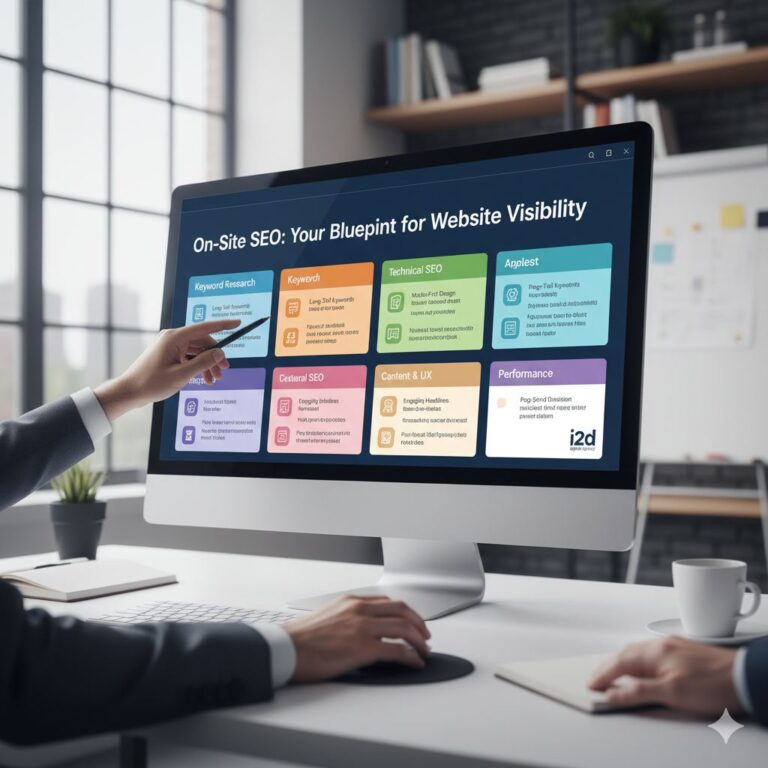 SEO
SEOMaking a beautiful website is only the first step. Without proper on-site SEO, even the most stunning designs remain invisible to potential customers searching online....
Read More