 SEO
SEOYour Complete Guide to Google E-E-A-T for SEO Success in 2025
Google’s search algorithms are always changing, so anyone who wants to do SEO well needs to know what E-E-A-T means. This new framework adds Experience...
Read More

The digital landscape is currently undergoing a monumental transformation, driven by the rapid and relentless advancement of artificial intelligence. For businesses across New Zealand, understanding...

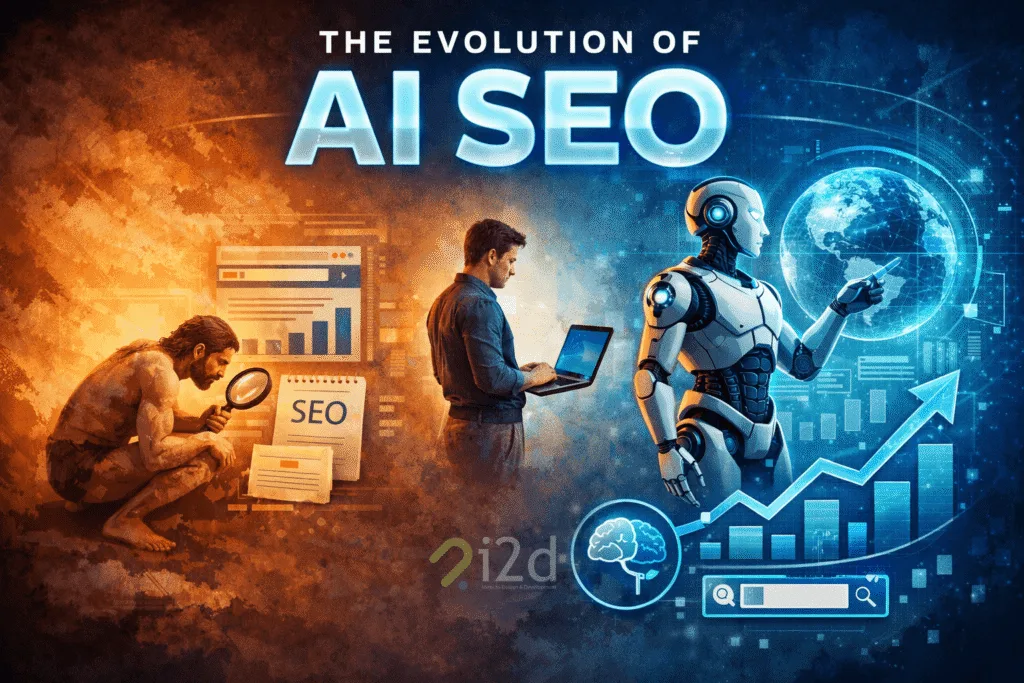
The digital landscape is currently undergoing a monumental transformation, driven by the rapid and relentless advancement of artificial intelligence. For businesses across New Zealand, understanding the evolution of AI SEO is no longer just an optional marketing tactic; it is an absolute necessity for survival and growth in an increasingly competitive online market. As traditional search engines rapidly evolve into sophisticated, conversational answer engines, the conventional methods of securing top rankings are being completely rewritten. We are witnessing a fundamental shift in how users interact with search platforms, moving away from simple, fragmented keyword queries towards complex, natural language interactions. This profound evolution brings forth critical new concepts such as Answer Engine Optimisation (AEO), the growing zero-click search phenomenon, and a hyper-focus on intent-based search. To maintain visibility, build brand trust, and drive meaningful customer engagement, brands must proactively adapt their digital strategies to align seamlessly with these intelligent, AI-driven systems.
The concept of AI SEO represents a significant and necessary departure from the conventional tactics that digital marketers have relied upon for the past two decades. Historically, search engine optimisation was heavily focused on manipulating keyword density, building extensive backlink profiles, and tweaking technical site structures designed primarily to appease web crawlers. However, modern search algorithms are now powered by advanced machine learning models and large language models (LLMs) capable of understanding context, nuance, and the underlying purpose behind a user’s query. This means that AI SEO is less about gaming algorithms and much more about providing genuine, high-quality value that satisfies the user’s immediate needs. Search engines like Google are increasingly utilising generative AI to synthesise information from multiple disparate sources, presenting users with comprehensive, easy-to-read overviews directly on the results page. Consequently, businesses must pivot their focus towards establishing deep topical authority and ensuring their content is easily digestible by these intelligent systems.
At its core, AI SEO involves optimising your entire digital presence to be understood, evaluated, and favoured by artificial intelligence-driven search algorithms. It encompasses a broad and dynamic range of practices, from structuring data meticulously to crafting content that directly and accurately answers specific questions. Unlike traditional methods that often prioritised high search volume over actual relevance, AI SEO demands a profound understanding of natural language processing and user behaviour. It requires content creators to anticipate the conversational, long-form queries users might pose to AI assistants like ChatGPT, Perplexity, or Google’s AI Overviews. By aligning your content with the sophisticated comprehension capabilities of these models, you significantly increase the likelihood of your brand being cited as a credible, authoritative source in AI-generated responses.
As AI SEO takes centre stage in the digital marketing arena, we are observing a noticeable and steady decline in the relevance of traditional search metrics, such as raw organic traffic and basic click-through rates. In the past, digital success was often measured simply by the sheer volume of visitors a webpage received on any given day. Today, however, AI overviews and featured snippets are effectively satisfying user queries without requiring them to click through to a website at all. This paradigm shift means that marketers must look beyond mere traffic numbers and focus on metrics that indicate true engagement, brand authority, and share of voice. The value of a direct citation within an AI-generated answer is becoming increasingly significant, as it builds immense trust and positions the brand as an industry leader, even if it does not immediately result in a direct website visit.
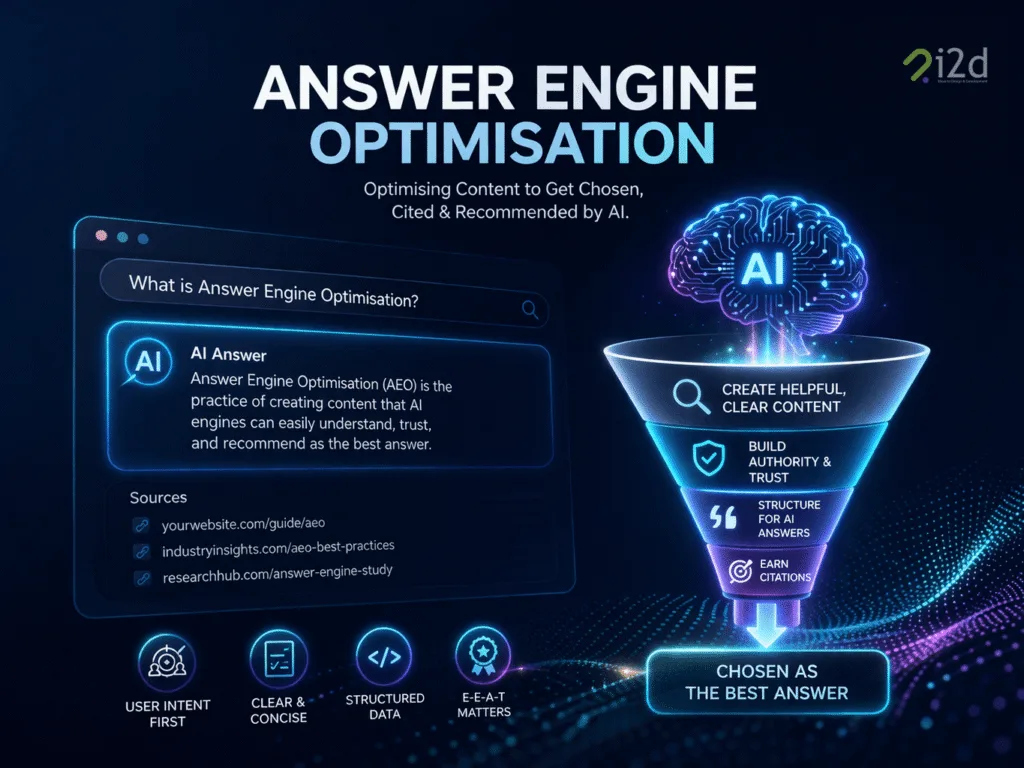
Answer Engine Optimisation, commonly referred to as AEO, is rapidly emerging as a critical, non-negotiable component of any forward-thinking digital marketing strategy. While traditional SEO focuses primarily on ranking web pages in a linear list of search results, AEO is dedicated to ensuring your content is selected as the definitive, single best answer by AI models and voice assistants. As consumers increasingly turn to conversational AI for quick, synthesised information on the go, the ability to provide clear, concise, and highly accurate answers is paramount. AEO requires a fundamental shift in content formatting, prioritising direct responses, robust structured data, and unwavering entity consistency across the entire web. For Kiwi businesses, mastering AEO means ensuring that when a potential customer asks an AI assistant a specific question related to your industry, your brand is the one providing the trusted solution.
The primary distinction between AEO and traditional SEO lies in the ultimate end goal and the specific format of the content produced. Traditional SEO aims to drive users to a specific landing page where they can consume long-form content, browse products, or make a purchase. In stark contrast, AEO aims to provide immediate, frictionless value directly within the search interface or chat window itself. AEO heavily relies on formatting techniques such as Q&A structures, bulleted lists, and concise summary paragraphs that AI models can easily extract, process, and present to the user. Furthermore, AEO places a massive emphasis on brand entity management—ensuring that your business’s core information is consistent, accurate, and widely cited across reputable directories and platforms, thereby building the foundational trust required for an AI to confidently recommend you.
Implementing a highly effective AEO strategy requires a meticulous, detail-oriented approach to both content creation and technical website management. Firstly, businesses should identify the most common, pressing questions their target audience is asking and create dedicated content that answers these queries directly, comprehensively, and without fluff. Utilising schema markup is absolutely essential, as it provides search engines with explicit, machine-readable clues about the meaning and context of your content, making it significantly easier for AI to categorise and retrieve. Additionally, maintaining a strong, consistent brand narrative across all digital touchpoints is crucial for success. If an AI model finds conflicting information about your services, operating hours, or pricing on different platforms, it is far less likely to cite your brand as a reliable, authoritative source.
The zero-click search phenomenon is fundamentally reshaping the way we measure digital success, user engagement, and overall brand visibility. A zero-click search occurs when a user’s query is fully and satisfactorily answered directly on the search engine results page (SERP), completely eliminating the need for them to click through to any external website. Driven by the rapid proliferation of AI overviews, expansive knowledge panels, and highly detailed featured snippets, zero-click searches now account for a massive and growing portion of all online queries. While this may initially seem detrimental to traditional website traffic metrics, it actually presents a unique, powerful opportunity for brands to build immense visibility and authority. By dominating the zero-click space, businesses can establish themselves as the go-to experts in their field, positively influencing consumer perception before a click even occurs.
The meteoric rise of zero-click searches is primarily fuelled by the modern consumer’s insatiable demand for instant gratification and the search engines’ strategic desire to keep users engaged within their own ecosystems. People are increasingly using mobile devices and voice-activated search while on the go, requiring immediate, bite-sized answers rather than lengthy, complex articles. Search engines have responded to this behavioural shift by deploying sophisticated AI to extract and display the most relevant information right at the very top of the SERP. Whether a user is checking the local weather, looking up a quick definition, or seeking a brief comparison of professional services, AI-driven results provide the necessary information instantly, naturally leading to a significant decrease in traditional click-through behaviour.
To not just survive but thrive in a zero-click environment, digital marketers must adapt their content strategies to focus heavily on brand awareness and off-page authority. Since users may not physically visit your website, the primary goal is to ensure your brand name is prominently and positively featured alongside the answers provided on the SERP. This involves meticulously optimising for featured snippets by providing clear, succinct, and highly accurate answers to specific questions at the very beginning of your articles. Additionally, investing in robust digital PR and ensuring your brand is frequently mentioned in high-authority industry publications can drastically increase the likelihood of your business being referenced in AI overviews. The focus shifts from merely capturing clicks to capturing valuable mindshare, ensuring that when the user is eventually ready to make a deeper inquiry or purchase, your brand is already top of mind.
Intent-based search is the absolute cornerstone of modern AI SEO, focusing entirely on understanding the deep ‘why’ behind a user’s query rather than just the superficial ‘what’. In the past, marketers often targeted broad, generic keywords with high search volumes, regardless of whether the user was looking to buy, learn, or simply navigate to a specific login page. Today, AI algorithms are incredibly adept at deciphering complex user intent, accurately categorising queries into informational, navigational, commercial, or transactional buckets. By meticulously aligning your content strategy with these specific, nuanced intents, you can deliver highly relevant, satisfying experiences that resonate deeply with users and perfectly satisfy the search engine’s ultimate goal of providing the best possible result.
Understanding intent goes far beyond broad categories; it requires decoding and addressing user micro-intents. Micro-intents refer to the highly specific, nuanced, and often fleeting needs a user has at a particular, exact moment in their customer journey. For example, a user searching for “best CRM software” has a vastly different micro-intent than someone searching for “CRM software for small retail businesses in Auckland”. AI engines excel at processing these long-tail, conversational queries and delivering highly tailored, specific advice. To capitalise on this capability, businesses must conduct deep, ongoing audience research to uncover the specific problems, questions, and desires of their target market. By creating highly targeted content that addresses these micro-intents directly, you position your brand as the perfect, bespoke solution to their highly specific needs.
While informational content is undeniably vital for building topical authority and brand trust, aligning your strategy with high-commercial intent queries is absolutely crucial for driving tangible revenue. When users ask AI engines for detailed product comparisons, in-depth reviews, or specific local service providers, they are often at the very bottom of the sales funnel, primed and ready to make a purchasing decision. To capture this highly valuable audience, your content must clearly, persuasively, and transparently articulate your unique value proposition, pricing structures, and competitive advantages. By providing transparent, comprehensive information that AI models can easily synthesise and compare, you significantly increase the chances of being recommended as the top choice when a user is ready to convert.
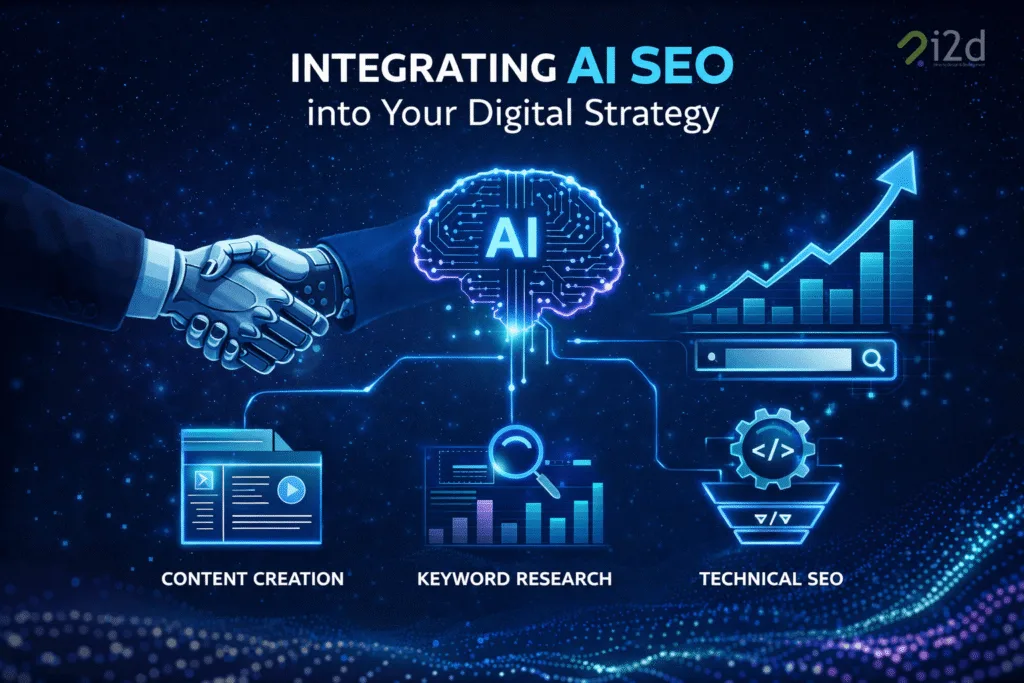
Successfully navigating the rapid evolution of search requires a holistic, integrated approach that weaves AI SEO principles across your entire digital presence. It is no longer sufficient to treat SEO as an isolated, siloed tactic; it must be deeply integrated into the fabric of your content creation, technical development, and overall marketing strategy. This means ensuring your website is technically sound, lightning-fast, and flawlessly mobile-responsive, while simultaneously producing high-quality, intent-driven content. Partnering with seasoned experts can significantly streamline this complex process. For instance, collaborating with a Top Digital Agency in Auckland can provide you with the strategic insights, industry knowledge, and technical expertise needed to completely overhaul your digital footprint. Furthermore, ensuring your site’s architecture is meticulously optimised for both human users and AI bots is critical, which is where professional Website Design plays a pivotal role in creating seamless, accessible experiences that modern search engines actively reward.
As we look towards the future, the profound influence of AI on search behaviour will only continue to grow and accelerate. For businesses operating in Aotearoa, staying ahead of the curve means actively embracing these technological changes rather than resisting them. The definitive shift towards AEO, zero-click searches, and intent-based optimisation presents a massive, unprecedented opportunity for proactive brands to dominate their respective markets. By focusing relentlessly on building genuine authority, providing clear, accurate answers, and understanding the deep-seated needs of your audience, you can ensure your business remains highly visible and relevant. Investing in specialised SEO Auckland services can provide the crucial localised expertise necessary to navigate this complex, ever-changing landscape, ensuring your brand not only survives but truly thrives in the exciting new era of intelligent search.
SEOGoogle’s search algorithms are always changing, so anyone who wants to do SEO well needs to know what E-E-A-T means. This new framework adds Experience...
Read More SEO
SEOYour online presence can be made or broken by the right SEO Auckland agency. There are hundreds of agencies that say they are the best....
Read More SEO
SEOMaking a beautiful website is only the first step. Without proper on-site SEO, even the most stunning designs remain invisible to potential customers searching online....
Read More