 SEO
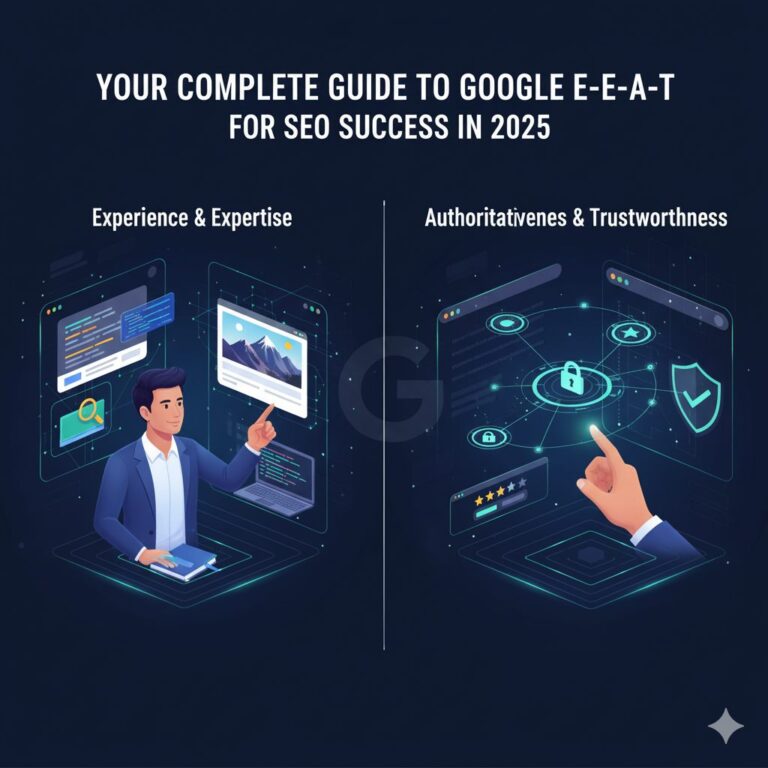
SEOYour Complete Guide to Google E-E-A-T for SEO Success in 2025
Google’s search algorithms are always changing, so anyone who wants to do SEO well needs to know what E-E-A-T means. This new framework adds Experience...
Read More
The Digital Crossroads: Navigating SEO and Google Ads in 2026 For small businesses in 2026, navigating the digital marketing landscape can feel like standing at...

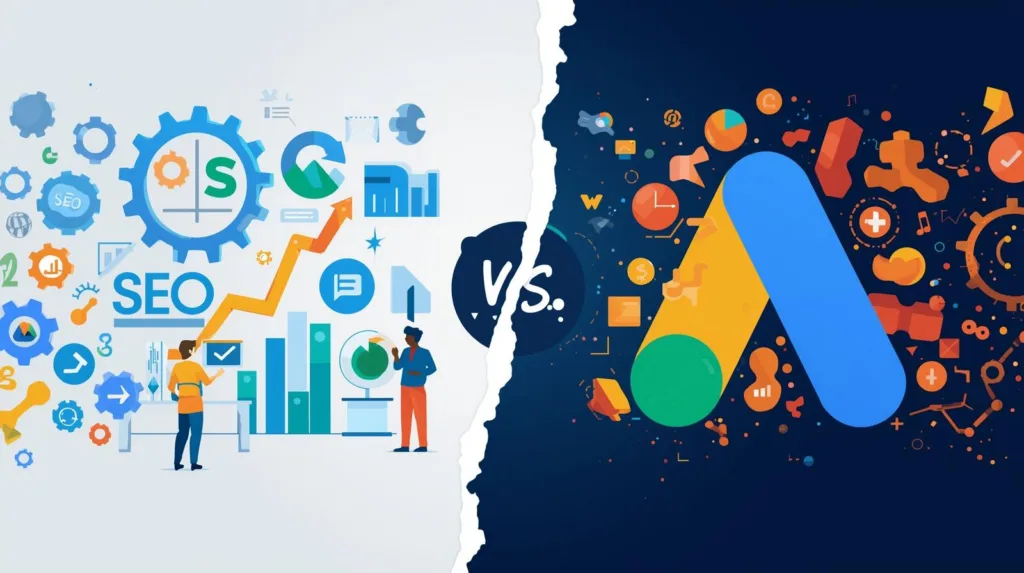
For small businesses in 2026, navigating the digital marketing landscape can feel like standing at a major crossroads. Two powerful avenues for driving traffic and generating leads dominate the conversation: Search Engine Optimisation (SEO) and Google Ads. SEO is the art and science of earning organic, or unpaid, visibility on search engine results pages. Google Ads, formerly known as AdWords, is a paid advertising platform where businesses bid to have their websites displayed for specific keywords. The choice between SEO vs Google Ads is not merely a tactical decision; it’s a strategic one that impacts your budget, timeline, and long-term growth trajectory. This article will provide a comprehensive comparison to help you determine the best path for your small business.
At their core, both SEO and Google Ads aim to place your business in front of potential customers. However, the mechanisms through which they achieve this are fundamentally different, leading to distinct cost structures, timelines, and outcomes. Understanding these differences is essential for making an informed decision about where to invest your marketing resources.
The primary distinction in the SEO vs Google Ads debate lies in how traffic is acquired. SEO focuses on earning traffic. Through meticulous on-page optimisation, technical improvements, content creation, and authority building, you persuade search engines that your website is the most relevant and trustworthy result for a given query. This is a long-term process that builds a sustainable asset. In contrast, Google Ads allows you to purchase traffic. You bid on keywords, and your ads are displayed to users who search for those terms. The moment you stop paying, your visibility disappears. It’s akin to the difference between owning a home (SEO) and renting one (Google Ads).
The financial models for SEO and Google Ads are also starkly different. SEO is best viewed as an investment. The costs are often front-loaded, and whilst it may require an ongoing retainer for continuous improvement, the value of your efforts compounds over time. As your rankings improve, your cost per acquisition generally decreases. Google Ads, on the other hand, is a direct expense. You pay for every click, and this cost is ongoing. Whilst it can be highly effective, it doesn’t build a lasting asset. If your budget is cut, your lead flow stops instantly. Competitive niches can also see costs per click skyrocket, making it a potentially expensive channel to maintain.
When evaluating the return on investment (ROI) for SEO and Google Ads, the key variables are speed and sustainability. Your choice will depend heavily on your business’s immediate needs and long-term goals. Both channels have distinct advantages depending on where your business is in its lifecycle.
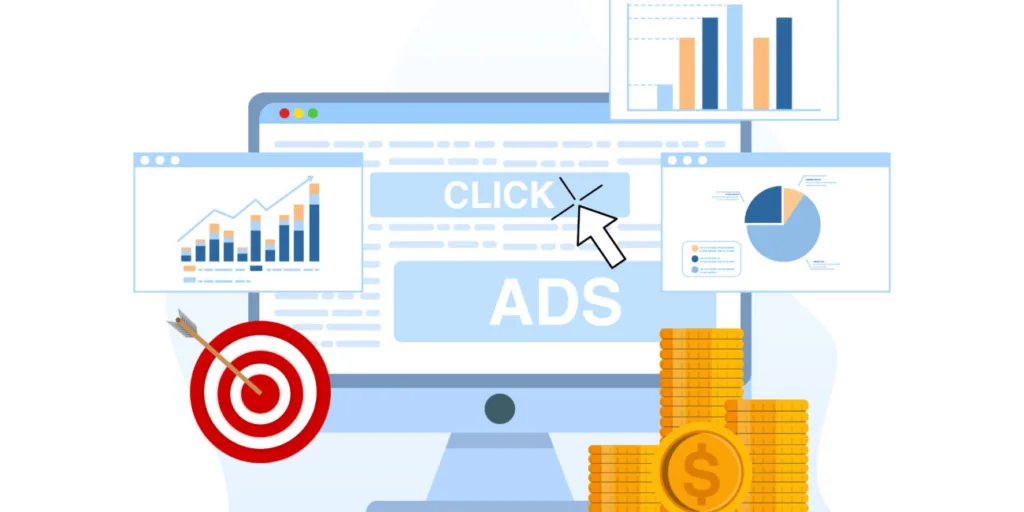
If your business needs immediate results, Google Ads is the undisputed winner. A well-optimised campaign can start generating traffic and leads within hours of launching. This makes it ideal for new businesses, product launches, seasonal promotions, or any situation where you need to test a new offer quickly. The immediate feedback loop from Google Ads can also provide valuable data on which keywords and messaging resonate with your audience, which can, in turn, inform your long-term SEO strategy. For businesses that need to generate revenue immediately, Google Ads is the pragmatic choice.

SEO is a marathon, not a sprint. It typically takes several months to see significant results, but the rewards are substantial and long-lasting. Once you achieve high organic rankings, you benefit from a continuous stream of “free” traffic. This creates a sustainable and scalable marketing channel that is not dependent on a daily ad budget. Over time, the ROI of SEO almost always surpasses that of Google Ads because the initial investment continues to pay dividends long after the work is done. For businesses with a longer time horizon and patience for compound growth, SEO is the superior investment.
The source of your traffic can have a significant impact on lead quality and conversion rates. User behaviour and perception differ greatly between paid and organic results, and understanding these differences is crucial for optimising your marketing mix.
Numerous studies have shown that users place a higher level of trust in organic search results than in paid ads. There is a perception that organic rankings are earned through merit, whilst paid ads are simply purchased. This often leads to higher click-through rates and better engagement on organic listings. Many users even develop “ad blindness” and intentionally skip over the sponsored results at the top of the page, heading straight for the organic listings they trust. This psychological advantage of organic results is one of the most compelling reasons to invest in SEO.
SEO and Google Ads are effective at capturing users at different stages of the buyer’s journey. SEO is particularly powerful for attracting users in the research and consideration phases. By creating high-quality, informative content, you can build trust and establish your brand as an authority. Google Ads, with its precise targeting and compelling calls-to-action, excels at capturing high-intent users who are ready to make a purchase. For example, someone searching for “best running shoes for flat feet” is likely in the research phase (ideal for SEO), whilst someone searching for “buy Nike Air Zoom Pegasus now” is ready to buy (ideal for Google Ads).
Both SEO and Google Ads come with their own set of risks and rewards. A smart business owner will understand these and factor them into their decision-making process. Neither channel is without risk, but the nature of those risks differs significantly.
The primary risk of relying solely on Google Ads is its volatility. Your success is dependent on your budget, your competitors’ bids, and Google’s ever-changing ad policies. A sudden increase in competition can dramatically drive up your costs per click, eroding your profit margins. Furthermore, your visibility is entirely contingent on your ad spend. If you have to pause your campaigns for any reason, your traffic and leads will dry up overnight. This makes Google Ads a risky sole strategy for long-term business sustainability.
Whilst SEO is not without its own fluctuations (algorithm updates can cause temporary shifts in rankings), a well-executed, white-hat SEO strategy builds a stable and resilient foundation. By focusing on creating high-quality content and a great user experience, you can build a strong organic presence that is less susceptible to the whims of the ad market. SEO is the most effective way to de-risk your marketing efforts by reducing your dependence on paid channels.
Ultimately, the SEO vs Google Ads debate presents a false dichotomy. The most successful small businesses in 2026 will use a hybrid approach that leverages the strengths of both channels. For businesses in Auckland, this means combining the immediate, geo-targeted reach of Google Ads with the long-term, authority-building power of a localised SEO strategy.
You can use Google Ads to drive immediate traffic and test the market, whilst simultaneously investing in a robust SEO Auckland strategy to build a sustainable local presence. The data from your Google Ads campaigns can provide invaluable insights into which keywords are converting, which you can then target with your SEO efforts. A strong organic presence can also improve your Google Ads Quality Score, leading to lower costs per click. For expert guidance on how to create a synergistic strategy that combines the best of both worlds, consider partnering with a specialist in SEO Auckland.
SEOGoogle’s search algorithms are always changing, so anyone who wants to do SEO well needs to know what E-E-A-T means. This new framework adds Experience...
Read More SEO
SEOYour online presence can be made or broken by the right SEO Auckland agency. There are hundreds of agencies that say they are the best....
Read More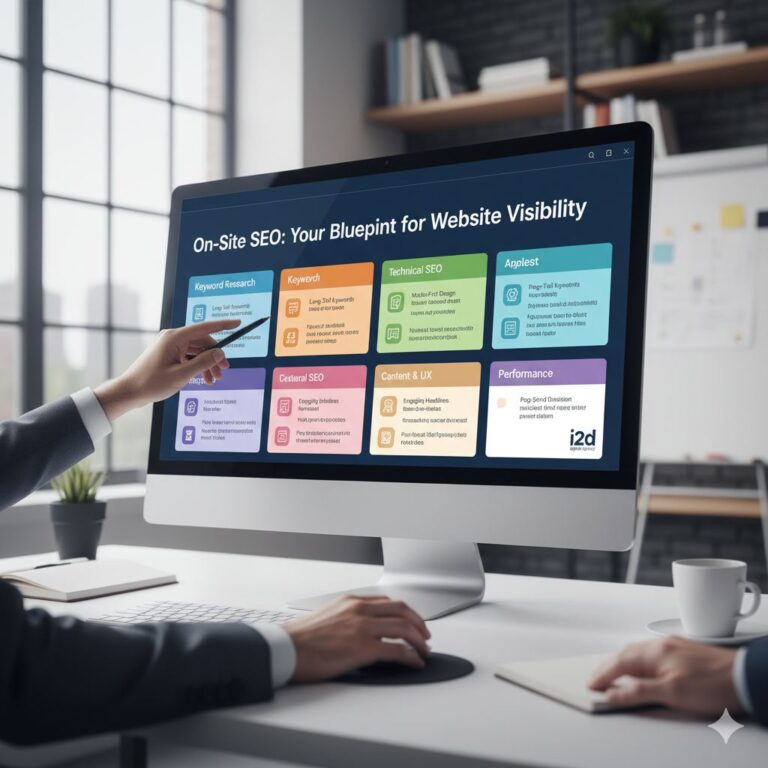 SEO
SEOMaking a beautiful website is only the first step. Without proper on-site SEO, even the most stunning designs remain invisible to potential customers searching online....
Read More