 SEO
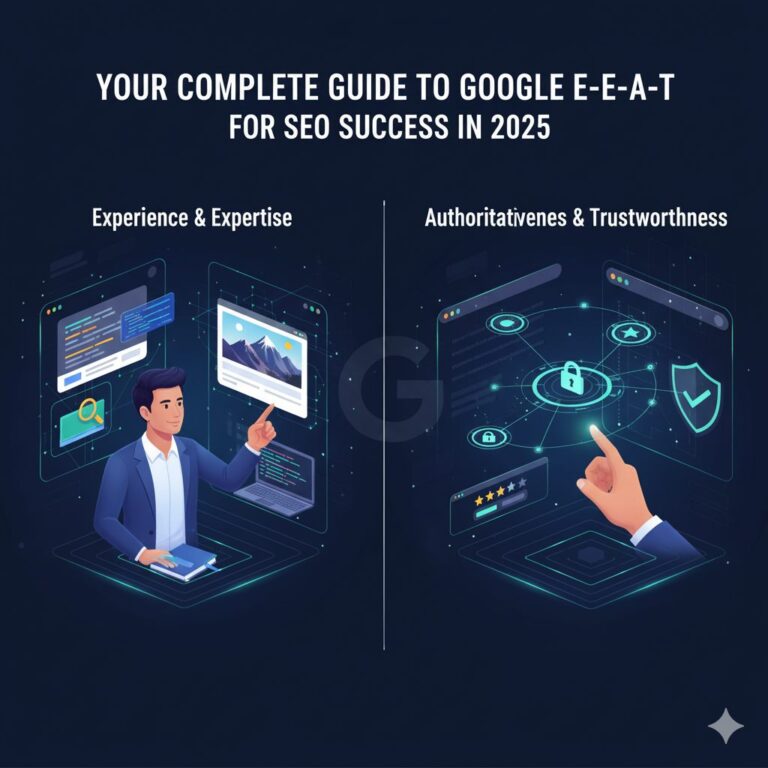
SEOYour Complete Guide to Google E-E-A-T for SEO Success in 2025
Google’s search algorithms are always changing, so anyone who wants to do SEO well needs to know what E-E-A-T means. This new framework adds Experience...
Read More

The SEO Landscape Has Fundamentally Shifted The world of Search Engine Optimisation (SEO) has undergone a seismic shift in 2026. The strategies that once guaranteed...


The world of Search Engine Optimisation (SEO) has undergone a seismic shift in 2026. The strategies that once guaranteed top rankings are now relics of a bygone era. While the core principles of providing valuable content remain, the mechanics of how search engines discover, interpret, and rank that content have been fundamentally reshaped by the rise of artificial intelligence. SEO in 2026 is no longer about gaming algorithms; it’s about building trust, demonstrating expertise, and providing clear, structured information that both humans and machines can understand. The old playbook is officially dead, but for those willing to adapt, a new and more rewarding era of SEO has dawned.
Despite the radical changes, several foundational SEO principles have not only survived but have become more critical than ever. These are the enduring pillars of a successful SEO strategy in 2026, refined and adapted for the new digital landscape.
Keywords are still a crucial part of SEO, but their role has evolved. Instead of focusing solely on specific phrases, the emphasis is now on understanding the user’s intent behind the search query. Search engines have become adept at classifying searches into four main categories: informational, transactional, navigational, and comparison. A successful SEO strategy in 2026 requires a deep understanding of these intents and the ability to create content that directly addresses the user’s needs. For example, a user searching for “best running shoes” has a different intent than someone searching for “how to choose running shoes.” Aligning your content with the specific intent of your target audience is paramount for achieving high rankings.
In 2026, content quality is not just a suggestion; it’s a prerequisite for success. Search engines now evaluate content holistically, considering factors such as topical depth, accuracy, and the credibility of the source. Thin, superficial content, even if it’s keyword-optimised, will struggle to gain traction. Furthermore, the structure of your content is just as important as the content itself. Clear headings, logical progression, and concise language are essential for both user experience and for helping AI systems understand and parse your content. This is where the concept of “content chunking” comes into play, which we will explore in more detail later.
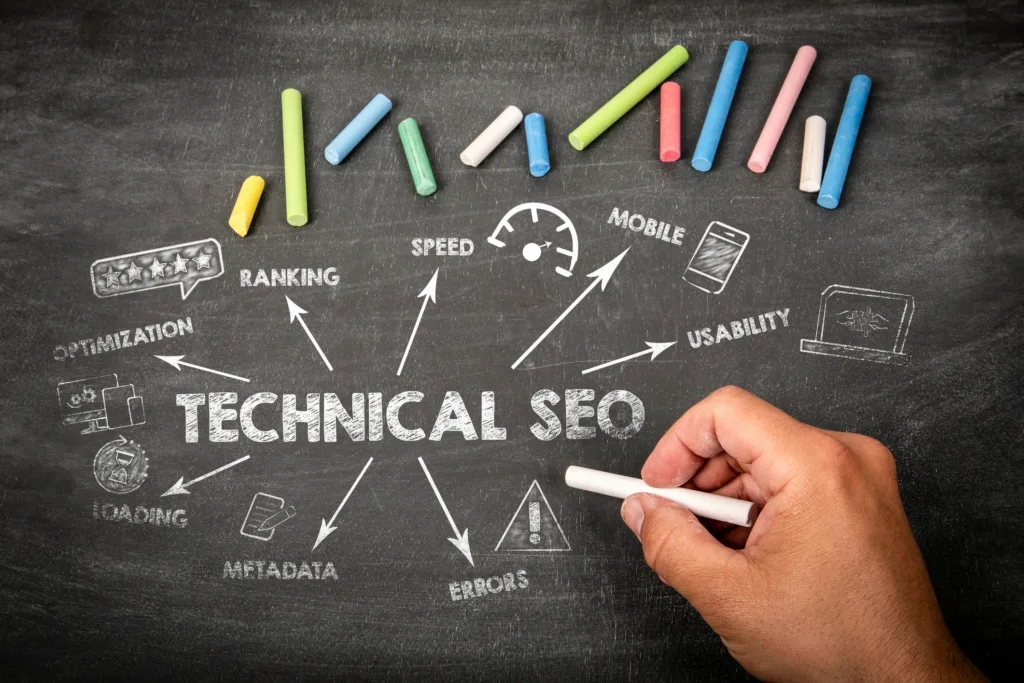
While technical SEO may no longer be a competitive advantage, it remains a critical foundation for any successful SEO strategy. Page speed, mobile usability, crawlability, and a logical site structure are now considered table stakes. If your website is slow, difficult to navigate on a mobile device, or inaccessible to search engine crawlers, even the highest quality content will fail to rank. In 2026, technical SEO is not about finding clever tricks to boost your rankings; it’s about ensuring that your website provides a seamless and efficient experience for both users and search engines.
The most significant development in SEO in 2026 is the emergence of Generative Engine Optimization (GEO). This new discipline focuses on optimising content to be featured in the AI-generated summaries and overviews that now dominate search engine results pages.
AI Overviews, the concise, AI-generated answers that appear at the top of search results, have become the new coveted real estate in SEO. Getting your content featured in these overviews requires a new approach to content creation. Fact-heavy, authoritative content that directly answers specific questions is more likely to be selected by AI systems. This means that fluff and promotional language must be replaced with clear, concise, and verifiable information. The goal is no longer just to rank on the first page but to become the cited source in the AI-generated answer.

In the age of AI, trust is more important than ever. Search engines are increasingly looking for signals that a brand or individual is a credible and authoritative source of information. These “entity trust signals” go beyond traditional backlinks and include factors such as brand mentions on reputable websites, a strong presence on platforms like Wikipedia and Crunchbase, and citations in academic papers or industry publications. For businesses in New Zealand, building a strong local brand presence is particularly important. A strong local presence, especially for businesses targeting a specific area like SEO Auckland, can significantly boost your authority and credibility in the eyes of search engines.
To succeed in the new SEO landscape, you need to adopt a new set of tactics that are specifically designed for the age of AI. These are the strategies that will give you a competitive edge in 2026.
Content chunking is the practice of breaking down your content into small, modular blocks, typically 100–200 words each. Each chunk should focus on a specific sub-topic and be able to stand on its own as a complete piece of information. This approach has two key benefits. First, it makes your content more digestible and user-friendly. Second, it makes it easier for AI systems to parse and understand your content, increasing the likelihood that it will be featured in AI Overviews. By structuring your content in this way, you are essentially feeding the AI exactly what it needs to generate a concise and accurate answer.
Search engines are no longer just text-based. They can now understand and interpret images, videos, and audio content. This means that a successful SEO strategy in 2026 must be multimodal. Instead of relying solely on text, you need to incorporate a variety of media into your content. This includes using high-quality, original images and videos that are relevant to your topic. Authenticity is key here. Real photos of your products or team will be far more effective than generic stock photos. By providing a rich, multimodal experience, you are signalling to search engines that you are a credible and authoritative source of information.
As SEO has evolved, many old tactics have become not only ineffective but also potentially harmful to your website’s rankings. Several strategies that once dominated the SEO landscape are now completely obsolete. Keyword stuffing and thin content represent the most obvious casualties of modern SEO. The days of cramming keywords into every sentence are long gone, and search engines will actively penalise websites that engage in this practice. Similarly, thin, low-quality content that provides little genuine value to the user will be ignored or downranked regardless of keyword optimisation.
Copy-paste and shortcut SEO tactics have also become entirely ineffective. Any attempt to “game the system” with duplicate content, automated link schemes, or other black-hat techniques is doomed to fail. Search engines are far more sophisticated than ever before and can easily detect and penalise websites that engage in these practices.
Finally, generic stock content and unstructured pages signal to search engines that your website is low-quality. Using generic stock photos and publishing unstructured, poorly formatted content will damage your rankings. In 2026, authenticity and user experience are paramount to success.
The future of SEO lies in building trust and demonstrating expertise, particularly at a local level. For businesses in New Zealand, this means focusing on becoming the go-to authority in your niche. By consistently publishing high-quality, relevant content, you can build a loyal following and establish your brand as a trusted source of information. Integrating first-party data and user behaviour into your SEO strategy will also be crucial for success. By understanding how your users interact with your website, you can create a more personalised and effective experience.

If you’re a business in Auckland looking to improve your online presence, focusing on local SEO is essential. The competitive landscape for local search has intensified, and generic approaches no longer suffice. For expert guidance on how to dominate the local search landscape and implement these 2026 SEO best practices, consider partnering with a specialist in SEO Auckland. A dedicated SEO partner can help you navigate the complexities of modern search optimisation and ensure your business achieves the visibility it deserves.
SEOGoogle’s search algorithms are always changing, so anyone who wants to do SEO well needs to know what E-E-A-T means. This new framework adds Experience...
Read More SEO
SEOYour online presence can be made or broken by the right SEO Auckland agency. There are hundreds of agencies that say they are the best....
Read More SEO
SEOMaking a beautiful website is only the first step. Without proper on-site SEO, even the most stunning designs remain invisible to potential customers searching online....
Read More