 SEO
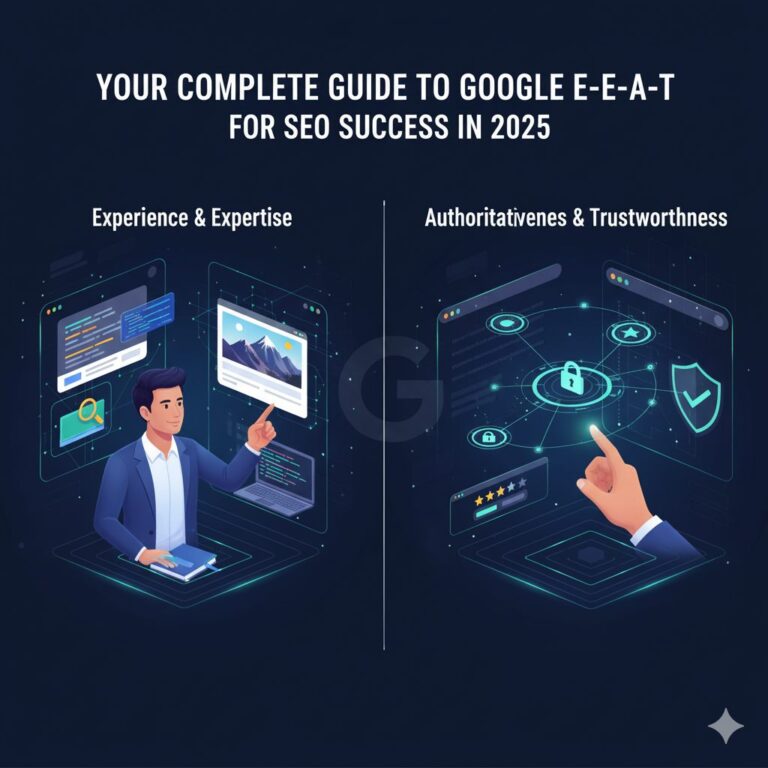
SEOYour Complete Guide to Google E-E-A-T for SEO Success in 2025
Google’s search algorithms are always changing, so anyone who wants to do SEO well needs to know what E-E-A-T means. This new framework adds Experience...
Read More

For Auckland businesses, website design SEO is no longer a separate conversation from branding, content or development. A website can look modern and still struggle...

For Auckland businesses, website design SEO is no longer a separate conversation from branding, content or development. A website can look modern and still struggle to rank if search engines cannot crawl it properly, users cannot navigate it easily, or pages load too slowly on mobile devices. Likewise, a technically optimised site can underperform if its design fails to build trust, guide visitors or present helpful content clearly.
The connection between design and SEO is practical. Google needs to understand a website, users need to enjoy using it, and business owners need pages that convert traffic into enquiries. When design choices support crawlability, mobile usability, content quality, page speed and internal linking, rankings have a stronger foundation. This matters across Auckland industries, from professional services and trades to ecommerce, hospitality and Real Estate Website Design, where local trust and fast decision-making are essential.
Auckland is a competitive local market, and many customers research online before calling, booking or requesting a quote. A website that is difficult to use may lose visitors before they read the content, while a website that is difficult for search engines to interpret may never reach enough visitors in the first place. Effective design connects both sides of that equation.
Google’s own SEO guidance explains that search engine optimisation helps search engines understand content and helps users decide whether to visit a site.
This means good design is not only about colours, fonts and images. It also includes page structure, mobile responsiveness, internal links, metadata, accessibility, technical performance and the way content is arranged for human readers.
Users often judge a business within seconds of landing on a website. If the design looks outdated, crowded or unclear, that perception can reduce trust before the visitor reads the service details. For Auckland service businesses, this is especially important because customers are usually comparing several local providers at once.
Trust-building design uses clear messaging, visible contact details, authentic photography, testimonials, reviews, case studies and logical navigation. These elements do not guarantee rankings by themselves, but they support engagement signals such as time on page, deeper browsing and higher conversion rates. A website that feels credible gives users a reason to continue exploring.
SEO starts before the website goes live because many businesses treat SEO as something to add after launch. That approach often creates avoidable problems because the site structure, URL format, page hierarchy and content layout have already been decided. If the website is built without SEO in mind, important service pages may be buried, pages may compete with each other, and content may be difficult to expand later.
A stronger approach is to plan SEO during the design stage. Keyword mapping, service page planning, local landing pages, internal linking and technical requirements should inform the sitemap before development begins. This is where website design SEO becomes a strategic process rather than a last-minute checklist.
Search engines need to discover, crawl, render and index pages before those pages can appear in search results. A visually attractive site is not enough if important pages are hidden behind poor navigation, blocked resources or confusing architecture. Google notes that it should ideally see a page the same way an average user does, including access to important resources such as CSS and JavaScript.
Site structure helps search engines understand which pages matter most and how topics relate to each other. It also helps users move naturally from broad information to specific services, contact forms or booking options.
Navigation should make the most important pages easy to find. For an Auckland business, this usually means clear access to the homepage, core service pages, location pages, portfolio or case studies, about page, blog resources and contact page. If a user has to work hard to find basic information, search engines may also receive weaker signals about page importance.
Good navigation is simple, descriptive and consistent. Menu labels should match user intent, not internal business jargon. A plumber, lawyer, web designer or real estate agency should organise pages around the language customers actually use when searching.
Internal linking is one of the most practical ways design affects SEO rankings. When related pages link to each other naturally, users can continue learning and search engines can understand topical relationships. For example, a web design article may link to service pages, case studies and guides that explain specific solutions.
Anchor text should be descriptive and relevant. Rather than using vague phrases such as “click here”, an internal link should describe the destination clearly. For Auckland companies planning a new site or redesign, professional Website Design Auckland support can help align page structure, internal links and conversion goals from the start.
Mobile experience is central to modern SEO. Many Auckland customers search on phones while commuting, comparing nearby services, checking reviews or looking for urgent help. If a website is hard to use on a small screen, users may leave quickly and choose a competitor.
Page speed is equally important because design decisions often determine performance. Large images, heavy scripts, unnecessary animations and complex layouts can slow a website down. Search-focused design considers performance from the beginning rather than trying to repair speed issues after launch.
Responsive design ensures that pages adapt properly to different screen sizes. Text should be readable, menus should be easy to use, buttons should be large enough to tap, and forms should be simple to complete on mobile. This is particularly important for local SEO because mobile users often have immediate intent.
A mobile-friendly Auckland website should make phone calls, directions, quote requests and appointment bookings effortless. Whether a visitor is searching for a service in the CBD, North Shore, West Auckland or South Auckland, the design should reduce friction and make the next step obvious.
Core Web Vitals and performance choices matter because Core Web Vitals are performance-related measures that focus on loading, interactivity and visual stability. While they are only one part of SEO, they reflect a broader principle: users prefer websites that feel fast and stable. Design choices such as image compression, font loading, script management and layout simplicity all influence this experience.
Performance-focused design does not mean a website must look plain. It means every visual element should have a purpose. High-quality images, videos and animations can still be used, but they must be optimised so they do not undermine speed or usability.
Content quality is a major SEO factor, but design determines whether people can easily consume that content. If helpful information is hidden in long, dense blocks of text or surrounded by distracting elements, users may leave even when the content itself is valuable. Good design presents content in a way that encourages reading, scanning and action.
Wix’s guide to web design and SEO highlights the importance of readable text, heading hierarchy, metadata, internal linking, information architecture, indexability, mobile-friendly design, performance and accessibility.
These themes show that successful design supports both human understanding and search engine interpretation.
Headings help organise information for readers and search engines. A clear H1 introduces the page topic, H2s divide major sections, and H3s explain supporting points. This hierarchy makes content easier to scan and helps search engines understand the relationship between ideas.
Readable design also depends on typography, contrast, line spacing and white space. Auckland businesses should avoid cramped layouts and overly decorative fonts that make content harder to read. A clean visual hierarchy allows users to find answers quickly, which improves the overall experience.
Helpful content needs strong presentation because helpful content should answer real customer questions. For website design SEO, this could include service explanations, pricing guidance, FAQs, case studies, local area pages, industry-specific resources and blog posts. The design should make these resources easy to access rather than hiding them deep in the website.
Presentation also affects perceived authority. Author profiles, testimonials, project examples, reviews and clear contact information all support trust. This aligns with the broader concept of E-E-A-T: experience, expertise, authoritativeness and trustworthiness. When a site demonstrates credibility through both content and design, it becomes more useful for visitors.
Technical SEO is often seen as a developer’s responsibility, but many technical outcomes begin with design decisions. The way pages are created, linked, named, structured and maintained affects search visibility over time. A website redesign can improve SEO, but it can also harm rankings if redirects, metadata, URLs and indexable pages are not handled properly.
For Auckland businesses, technical SEO should be included in every serious website project. This reduces the risk of launching a beautiful site that search engines struggle to understand.
Metadata helps describe pages in search results. Title tags and meta descriptions should be unique, relevant and aligned with search intent. URLs should be clear, readable and structured around the page topic. For example, service pages should use simple URLs that reflect the service rather than random numbers or vague labels.
Structured data and breadcrumbs can also help search engines understand page context. While these elements are not a replacement for strong content, they support clarity and can improve how pages appear in search results. Design and development teams should plan these details before launch.
Images are important for branding and engagement, but they can also create SEO issues if they are too large or poorly described. Image optimisation includes compression, appropriate file formats, descriptive file names and alt text. Alt text helps search engines understand images and improves accessibility for users who rely on screen readers.
Accessibility is not only a compliance consideration. It is part of good user experience. Clear contrast, keyboard-friendly navigation, readable fonts and properly labelled forms make a website easier for more people to use. Search-focused design should consider accessibility from the beginning.
SEO should not stop at rankings. A website also needs to convert organic traffic into enquiries, bookings, purchases or calls. This means the design must support user intent at every stage. Someone reading a blog post may need a related service link. Someone on a service page may need proof, pricing guidance or a quote form. Someone browsing on mobile may need a tap-to-call button.
A strong website connects search visibility with conversion planning. It brings the right users in through SEO and then guides them towards a clear next step.
Calls-to-action should match the user’s stage of decision-making. A new visitor may respond to “Read our guide”, while a ready-to-buy user may need “Request a quote” or “Book a consultation”. The design should place these actions naturally throughout the site without overwhelming the user.
Conversion pathways should also be measurable. Contact forms, phone clicks, booking buttons and enquiry pages should be tracked so business owners can understand which pages generate results. SEO traffic is more valuable when the website can turn that traffic into real business opportunities.
Ongoing improvements after launch are important because a website is not finished when it goes live. Search behaviour changes, competitors update their websites, and user expectations continue to rise. Ongoing improvements should include content updates, technical checks, speed monitoring, Search Console reviews, internal link refinement and conversion analysis.
This is especially important in competitive Auckland industries. A law firm, trade business, ecommerce store or property agency may need regular content and design improvements to maintain visibility. In sectors such as Real Estate Website Design, where listings, suburbs and market conditions change frequently, the website must remain flexible and easy to update.
Final thoughts on website design SEO are simple: website design affects SEO rankings because it shapes how search engines interpret a site and how users experience it. Structure, crawlability, indexing, mobile responsiveness, page speed, readability, internal linking, accessibility and trust signals all influence whether a website can compete effectively in search results.
For Auckland businesses, the best results come when SEO and design are planned together from the beginning. A website should not simply look professional; it should load quickly, guide users clearly, present helpful content, support local search intent and make enquiries easy. When those elements work together, website design SEO becomes a practical growth strategy rather than a technical afterthought.
SEOGoogle’s search algorithms are always changing, so anyone who wants to do SEO well needs to know what E-E-A-T means. This new framework adds Experience...
Read More SEO
SEOYour online presence can be made or broken by the right SEO Auckland agency. There are hundreds of agencies that say they are the best....
Read More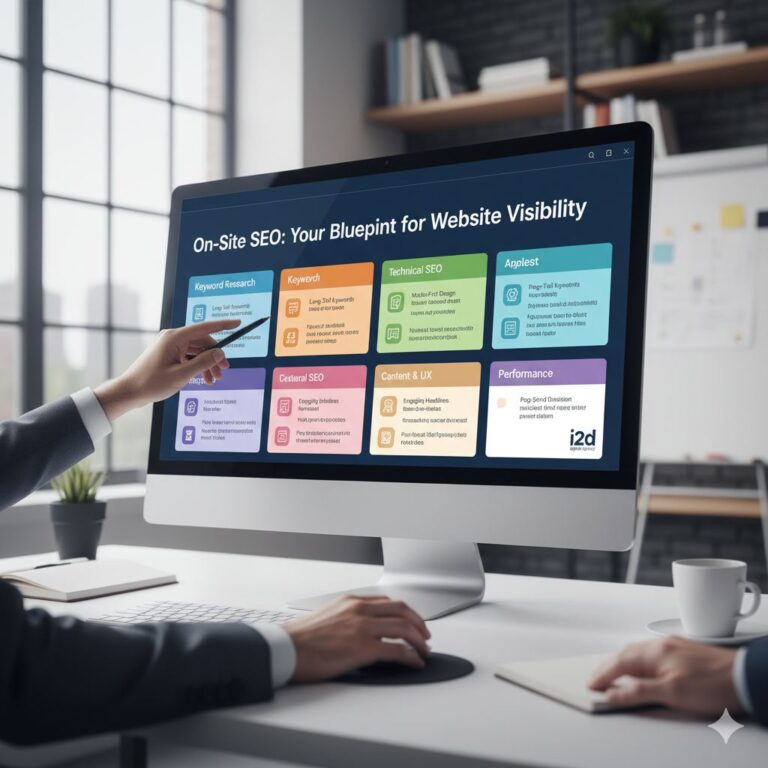 SEO
SEOMaking a beautiful website is only the first step. Without proper on-site SEO, even the most stunning designs remain invisible to potential customers searching online....
Read More