 SEO
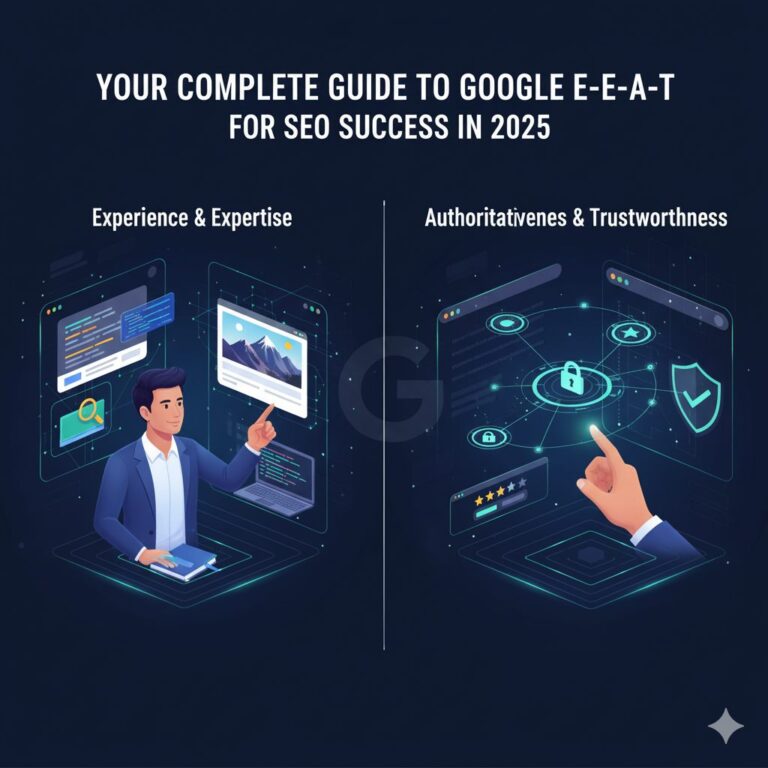
SEOYour Complete Guide to Google E-E-A-T for SEO Success in 2025
Google’s search algorithms are always changing, so anyone who wants to do SEO well needs to know what E-E-A-T means. This new framework adds Experience...
Read More
For years, digital marketers have used click-through rate (CTR) as a key metric. A high CTR means that your ads, emails, or web pages are...


For years, digital marketers have used click-through rate (CTR) as a key metric. A high CTR means that your ads, emails, or web pages are really reaching your target audience, which will bring in more visitors and, in the end, more sales. But if your CTR goes down, it’s usually a sign that something isn’t working right. In the past, the only way to improve this metric was to do a lot of manual A/B tests, trust your gut, and make educated guesses. But now, AI is changing how businesses optimize, especially for those that focus on SEO Auckland strategies that require smarter, data-driven choices.
AI assistants are changing the way businesses optimize their CTRs. These powerful tools can look at huge amounts of data and find patterns, predict outcomes, and suggest improvements with a level of accuracy that was not possible before. They do this by using machine learning and predictive analytics. This guide will talk about the best AI assistants for improving CTR, how they work, and how you can use them to get better results from your online marketing.
AI assistants are more than just another tool for marketers; they change the way we think about and interact with our audience. AI lets us take a more proactive and predictive approach instead of just relying on historical data and manual testing.
These AI-powered platforms look at how users interact with ads, how well keywords work, and other factors in real time. They can do hundreds or even thousands of A/B tests at the same time, which is called multivariate testing. This helps them find the best combinations of headlines, images, and calls to action. This cuts down on a lot of the guesswork and manual work, allowing marketers to concentrate on higher-level strategy. The end result is an optimization process that is more flexible, based on data, and able to change with market trends and customer tastes.

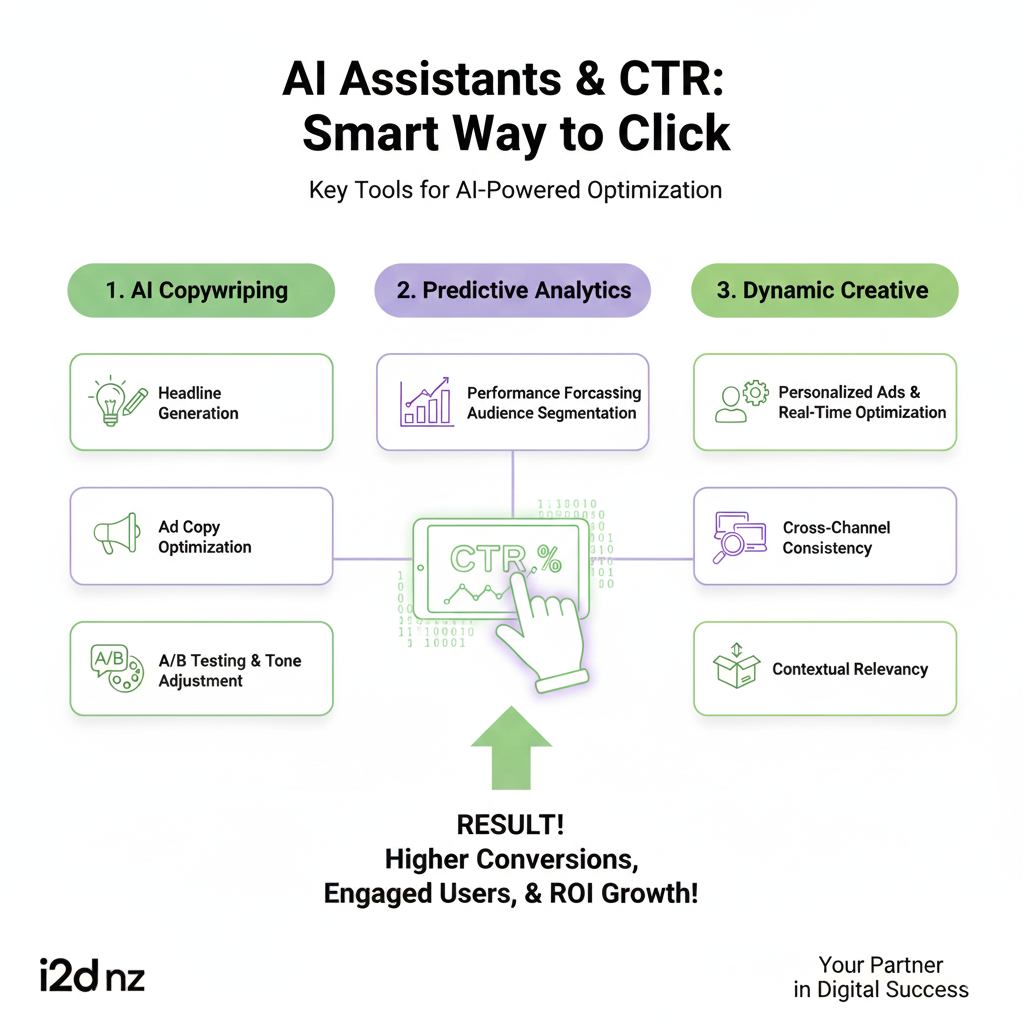
A lot of platforms have AI features, but only a few stand out because they focus on improving CTR. These tools are meant to help you write better content, reach the right people, and make decisions based on data. Some of the best AI assistants on the market right now are:
The words you choose have a direct effect on your CTR. AI writing tools can help you write headlines, ad copy, and meta descriptions that get people to click on them. These assistants use natural language processing (NLP) to look at successful copy and make changes that are specific to your campaign.
Key Features:
These platforms use machine learning to guess how well your campaigns will do. They can use historical data and market trends to guess which ad variations are most likely to get a high CTR. This lets you better manage your budget and focus on the strategies that are most likely to work.
Key Features:
DCO tools automatically make and send personalized ads to each user. They mix together different creative parts, such as headlines, images, and calls to action, to make different versions of ads that are most relevant to each person. This level of personalization can greatly increase CTR by showing users content that is directly related to their interests.
Key Features:
The impact of AI on CTR optimization is not just theoretical. Companies in a wide range of fields are seeing real results.
For example, an online store might use an AI writing assistant to write dozens of product descriptions and ad headlines. The AI can figure out which combination of words gets the most clicks from the people they want to reach by running multivariate tests. Using this data-driven method could boost the CTR of their product ads by 20 to 30%.
A SaaS company could also use a predictive analytics platform to figure out which features are most popular with different groups of customers. Then, they can use a DCO tool to make ads that show off those specific features. This targeted method makes sure that the right message gets to the right people, which leads to more qualified leads and more engagement.
AI has a lot of potential, but it also has some problems. The “black box” problem is a common one. It can be hard to figure out how the AI came up with a certain recommendation. Marketers may not be able to trust the system or learn from its insights because it is not clear how it works.
Another challenge is data dependency. For AI models to work well, they need a lot of high-quality data. The AI’s predictions will be less accurate if your data is missing or wrong.
To overcome these challenges, it’s important to:
AI will play a bigger and bigger role in improving CTR. As AI search becomes more common, it will be more important than ever to make content that is not only full of keywords but also interesting to read. AI assistants will be necessary for figuring out what users want and giving them personalized experiences that get them to click.
AI tools in the future will probably have even more advanced features, like automated journey optimization and predictive modeling across channels. With these new tools, marketers will be able to make customer experiences that are smooth and tailored to each person, which will increase engagement and growth.
AI assistants are great tools for getting more people to click on your ads. You can make your campaigns more effective, efficient, and data-driven by using AI-powered content creation, predictive analytics, and dynamic optimization. The most important thing is to pick the right tools, make sure your data is accurate, and mix AI insights with your own marketing knowledge.
It’s time to take the next step if you want to see how AI can change the way you optimize your CTR. The people at i2d are experts at helping businesses use AI to reach their marketing goals. Set up a meeting with us to find out how we can help you make your digital strategy smarter and more effective.
SEOGoogle’s search algorithms are always changing, so anyone who wants to do SEO well needs to know what E-E-A-T means. This new framework adds Experience...
Read More SEO
SEOYour online presence can be made or broken by the right SEO Auckland agency. There are hundreds of agencies that say they are the best....
Read More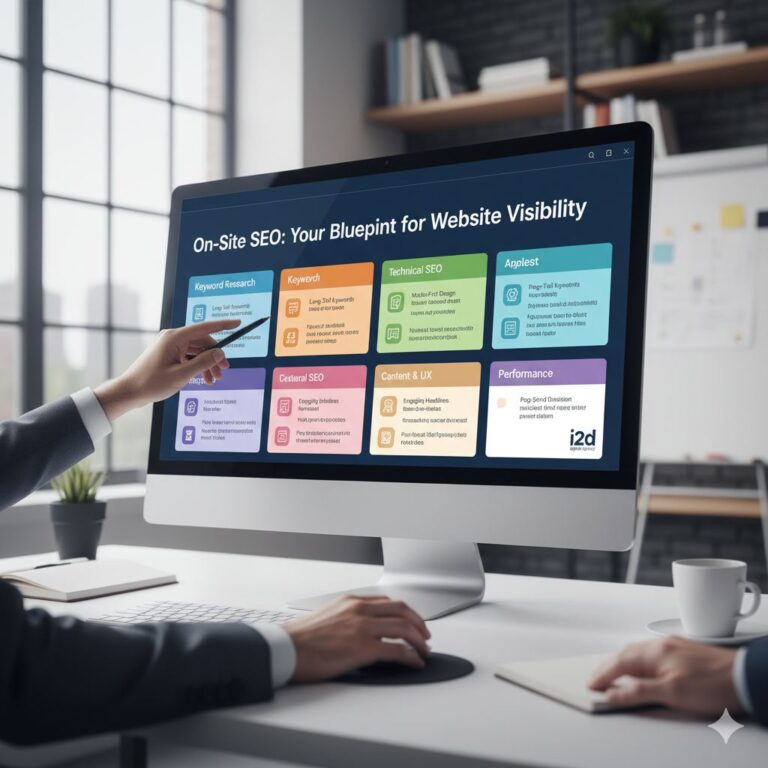 SEO
SEOMaking a beautiful website is only the first step. Without proper on-site SEO, even the most stunning designs remain invisible to potential customers searching online....
Read More